Best Time To Sell In Hyde Park
December 18, 2025
December 18, 2025
Thinking about selling in Hyde Park but not sure when to list? Timing can add real money to your bottom line, reduce stress, and help you move on your schedule. Hyde Park follows familiar Hudson Valley rhythms, yet local factors like commuters, colleges, and historic homes can shift the best window for you. In this guide, you’ll learn how seasonality works here, what local demand drivers matter, and how to plan a realistic prep timeline so you hit the market at the right moment. Let’s dive in.
The “best time” is when you can get the strongest combination of price, speed, and convenience. In Hyde Park, that is usually spring through early summer, but conditions like mortgage rates, months of inventory, and the type of home you own can change the answer.
You are part of a broader Hudson Valley and NYC-adjacent market. Proximity to Poughkeepsie’s Metro-North station, Route 9, and the Taconic corridor means your buyer might be a local resident, a regional commuter, or a second-home shopper. That wider buyer pool helps, but it also means market patterns can move with regional jobs and commuting trends.
April through June is traditionally the most active period. There are more buyers touring, more competing offers, and more closed sales. Longer days and fresh landscaping help your home show at its best, especially if you have gardens, mature trees, or Hudson Valley views. If inventory is low heading into spring, well-prepped listings can sell quickly and at strong prices.
July and August can still be busy, particularly for families aiming to settle before the school year. Buyers may be decisive but selective. If you launch in late summer, plan for quick showing access and a pricing strategy that respects seasonal demand without overreaching.
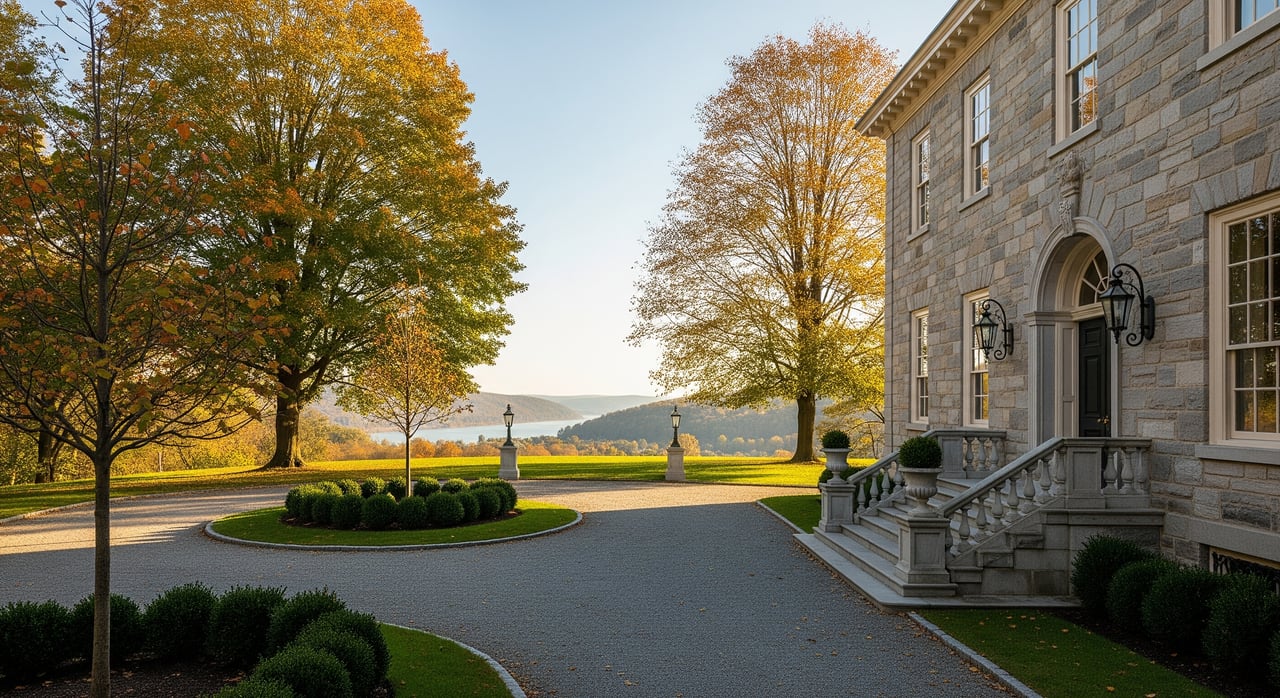
September and October bring steady but moderate activity. Serious buyers are still in the market, and your home can show beautifully with fall colors. Pricing needs to reflect slightly lower buyer volume than spring, and your marketing should spotlight lifestyle, convenience, and move-in timing before winter.
November through February typically sees the fewest showings, and weather can complicate photos, yard work, and moves. The buyers who are out in winter are often motivated. With fewer competing listings, realistic pricing and strong presentation can still produce a quick, clean deal.
Hyde Park’s proximity to Poughkeepsie’s Metro-North station and key roadways expands your buyer pool. Listings marketed to NYC and regional commuters may see peak interest when travel is easier and days are longer. Hybrid and remote work patterns can also spark demand at unexpected times of year.
The Culinary Institute of America is based in Hyde Park, and nearby Marist College influences seasonal housing patterns. Student and faculty moves can drive activity in late summer and early fall, especially for multi-family or rental-friendly properties. If your home fits that profile, align your launch with academic turnover.
Hyde Park’s historic appeal, including nationally recognized sites, draws buyers who value preservation and architectural detail. These homes often attract a niche audience year-round and can take longer to match with the right buyer. Listing during peak buyer traffic can help, but targeted marketing is just as important.
Access to Route 9 and the Taconic corridor shapes how far your listing’s marketing can extend. If your home is convenient for commuters, schedule open houses on spring weekends and early weekday evenings when attendance is highest.
Family buyers often prefer to move in summer to minimize disruption. If a school-year move matters to your ideal buyer, aim for a late spring or early summer launch so you can go from listing to closing on a family-friendly timeline.
Mortgage rates affect buyer purchasing power. When rates rise, some spring momentum can cool. When rates fall, demand can pop at any time. Local inventory levels matter too. Low months of inventory can favor sellers even outside spring. High inventory gives buyers more choices and can lengthen days on market.
Before you set a date, check current Hyde Park metrics like months of inventory, median days on market, new listings, and price reductions. The most accurate numbers come from local MLS data and broker reports. Ask for a month-by-month view so you can see how today’s conditions compare to last year.
The right timing only works if your home is ready. Build backward from your desired list date using this realistic calendar:
8–12 weeks before listing
4–6 weeks before listing
2–3 weeks before listing
Listing period
Spring
Late summer and fall
Winter
Unique and historic homes
There are good reasons to sell outside spring. In fall and winter, you will face fewer competing listings and more serious buyers. You may also be able to close faster for relocations or investment-driven sales.
The tradeoff is fewer showings and potentially softer exterior presentation in snow or mud season. If carrying costs are high or your timeline is firm, an off-cycle sale can still deliver a strong outcome with the right pricing and marketing.
Historic review
Septic and well
Taxes and assessments
Follow a simple, step-by-step approach:
Selling in Hyde Park is about timing and execution. With hyperlocal data, strong presentation, and broad distribution, you can list with confidence in any season. If you want a clear, tailored plan for your property type and timeline, connect with The Garay-Michaud Team. Schedule a consultation, and we will help you choose the right listing window and prepare to maximize your sale.
Stay up to date on the latest real estate trends.



To us, every relationship means so much more than a transaction. That's why our team strives to build strong, lasting relationships with each and every client that go beyond business. We understand what is at stake when finding your dream home, which is why we work closely with you every step of the way--making the otherwise overwhelming process completely stress-free.