Leave a Message

Thank you for your message. We will be in touch with you shortly.

From Day Trip To Home: Weekend Living In Cold Spring

February 12, 2026

You already spend Saturdays wandering Main Street, hiking Breakneck, and catching the sunset over the Hudson. If you’re wondering whether a second home in Cold Spring could turn that perfect day trip into an easy weekend routine, you’re not alone. In this guide, you’ll get a clear picture of access from NYC, lifestyle rhythms, housing options, and the practical steps to own and enjoy a place here. Let’s dive in.

Why Cold Spring works for weekends

A small Hudson River village of about 2,000 residents, Cold Spring offers the kind of compact, walkable downtown you can settle into fast. Main Street is lined with independent cafés, restaurants, galleries, and shops. Hours can be seasonal, which adds to the village’s relaxed, weekend pace.

Access is straightforward whether you train or drive. Metro‑North’s Hudson Line stops right in the village, with typical trips to Grand Central often in the 60 to 90 minute range depending on the train. If you drive, plan on roughly 1.5 to 2 hours from much of Manhattan, with timing shaped by season and traffic.

Nature is the other big draw. Foundry Dock Park and short stretches of waterfront offer views and informal spots to launch a kayak. Trails in Hudson Highlands State Park, Little Stony Point, West Point Foundry Preserve, and the Breakneck Ridge area provide a range of hikes. Peak-season weekends are busy, so expect limited parking at popular trailheads.

Village vs. countryside: how areas differ

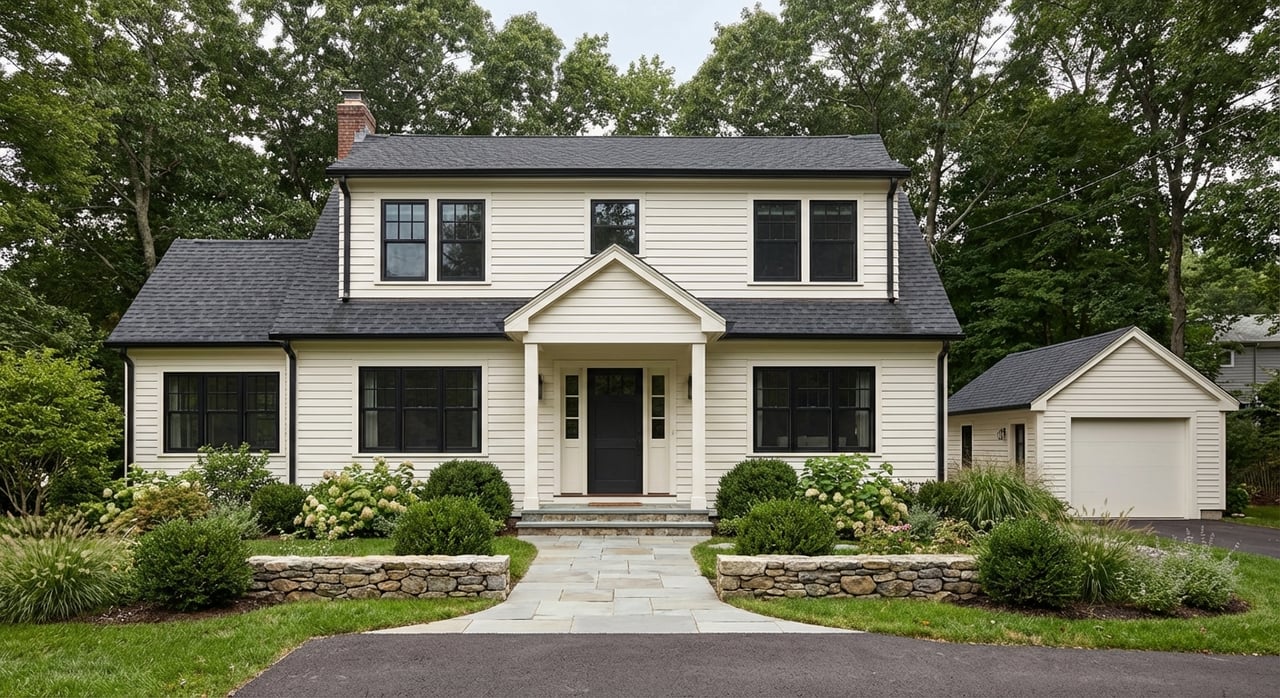
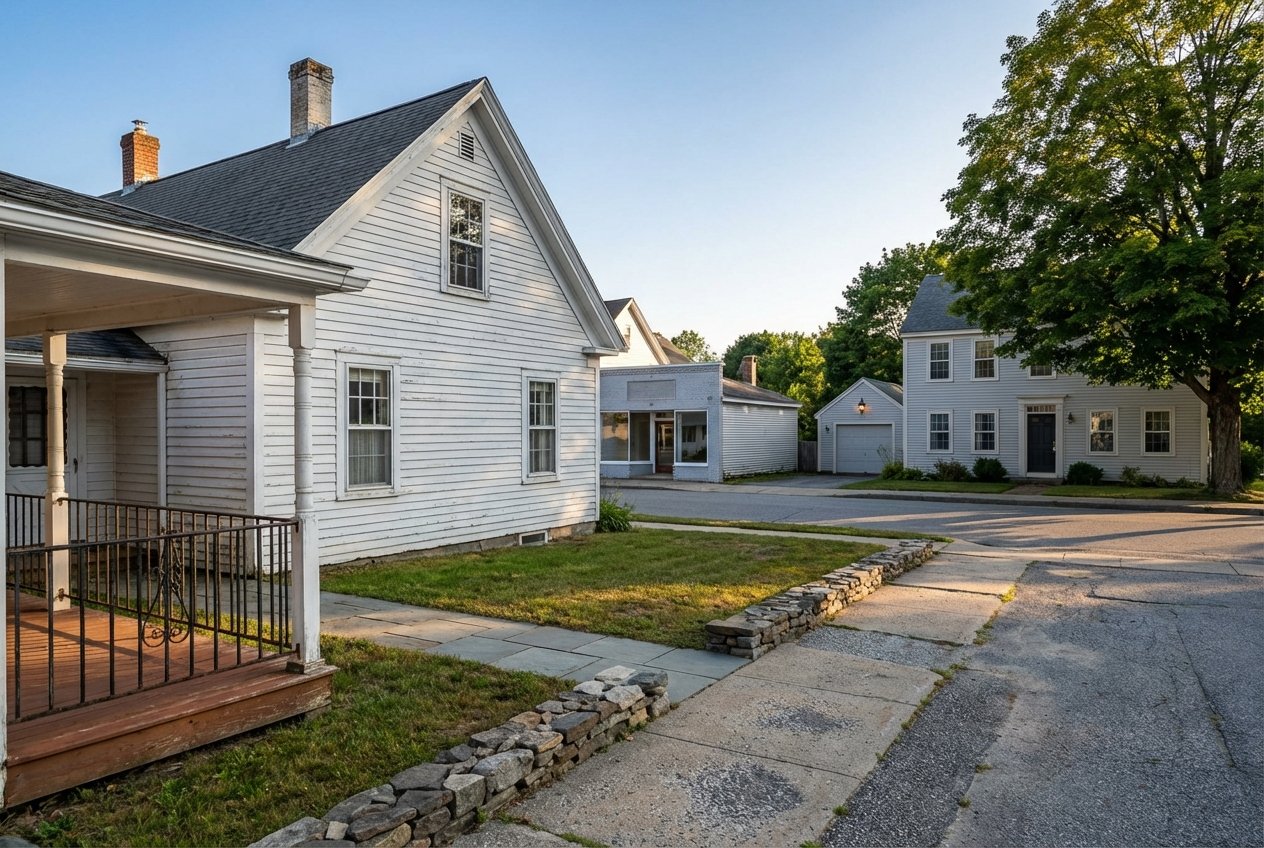
Cold Spring’s heart is its historic village center, where you’ll find 19th‑century cottages, Victorian and Greek Revival homes, and a few small multi‑unit buildings. Many village properties sit on municipal water and sewer, which keeps maintenance simple and supports a true “lock and leave” lifestyle.

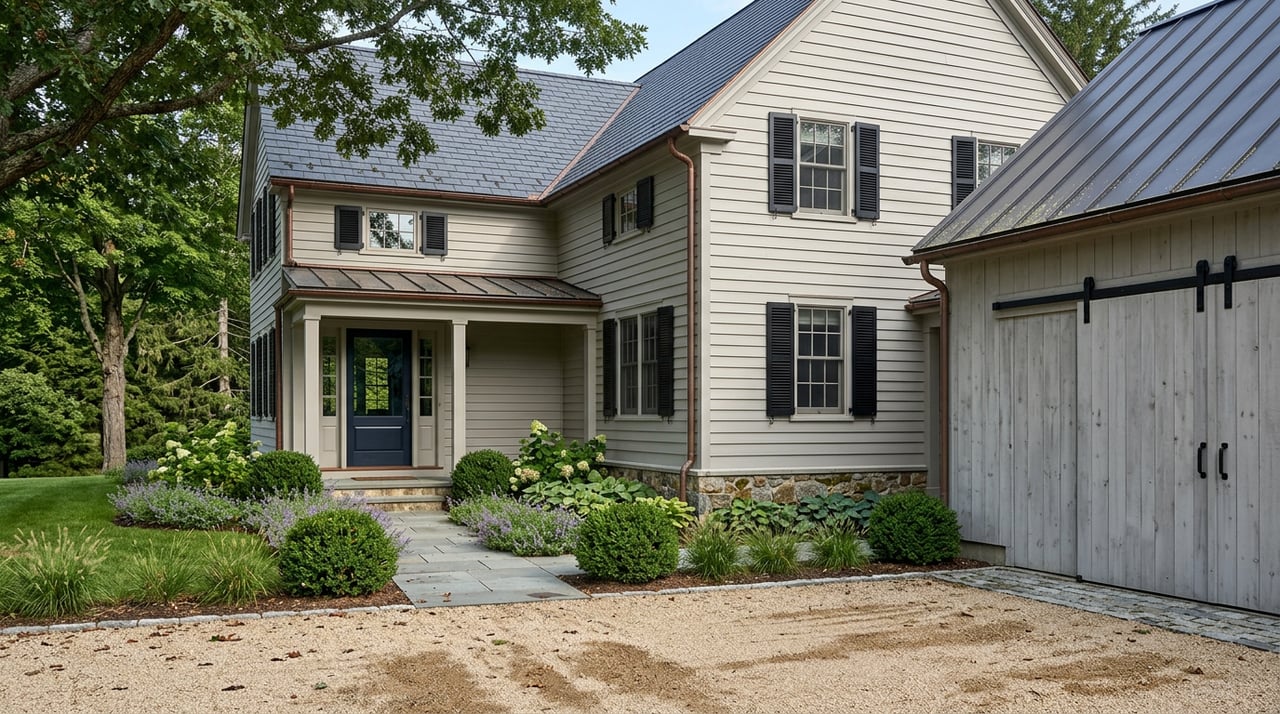
Outside the village, in Philipstown and the wider Putnam County area, you’ll see larger lots, cabins and cottages, mid‑century homes, and newer builds on acreage. These rural properties often rely on private wells and septic systems. The setting suits buyers who want more privacy or plan to spend longer stretches upstate.

Ways to use a Cold Spring home

The lock‑and‑leave cottage

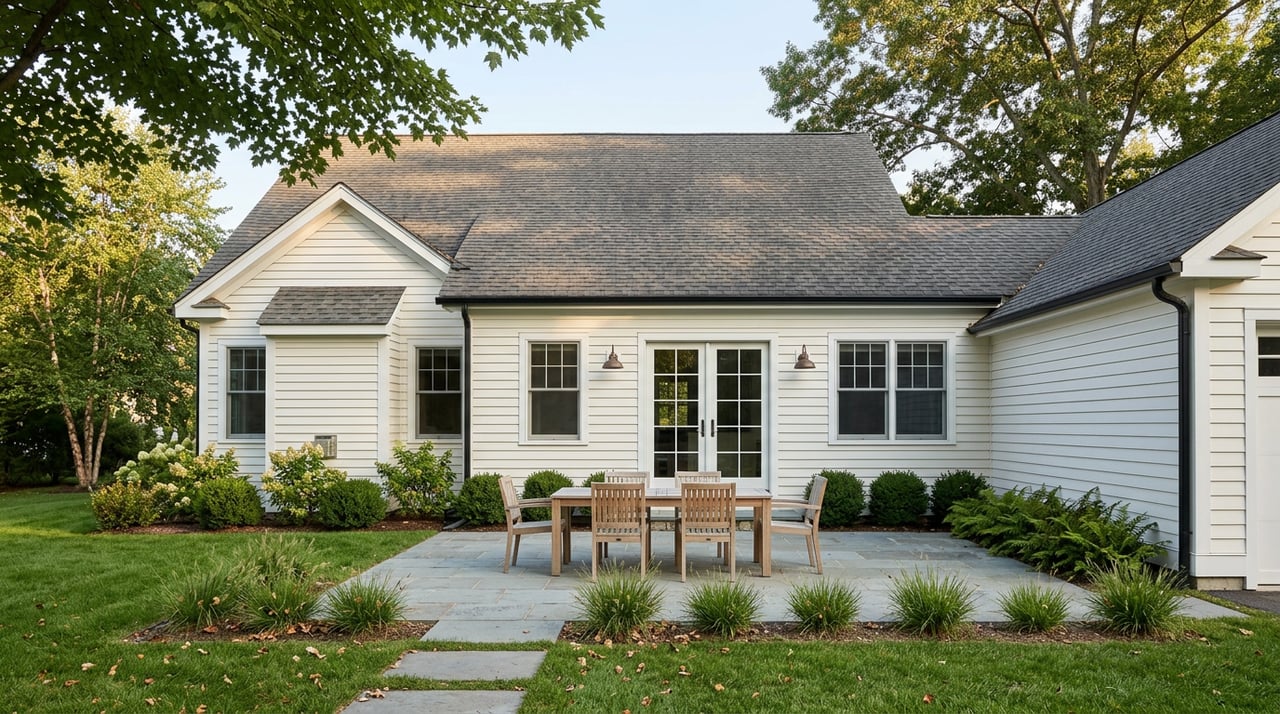
  • Small house or cottage near Main Street and the train. Low maintenance, easy weekend arrivals, and simple departures. Municipal services reduce upkeep when you’re away.

The remote‑worker retreat

  • Home with a quiet office, reliable high‑speed internet, and year‑round comfort. Verify providers and speeds by address. Heat pump upgrades are common considerations for efficiency.

The family river house

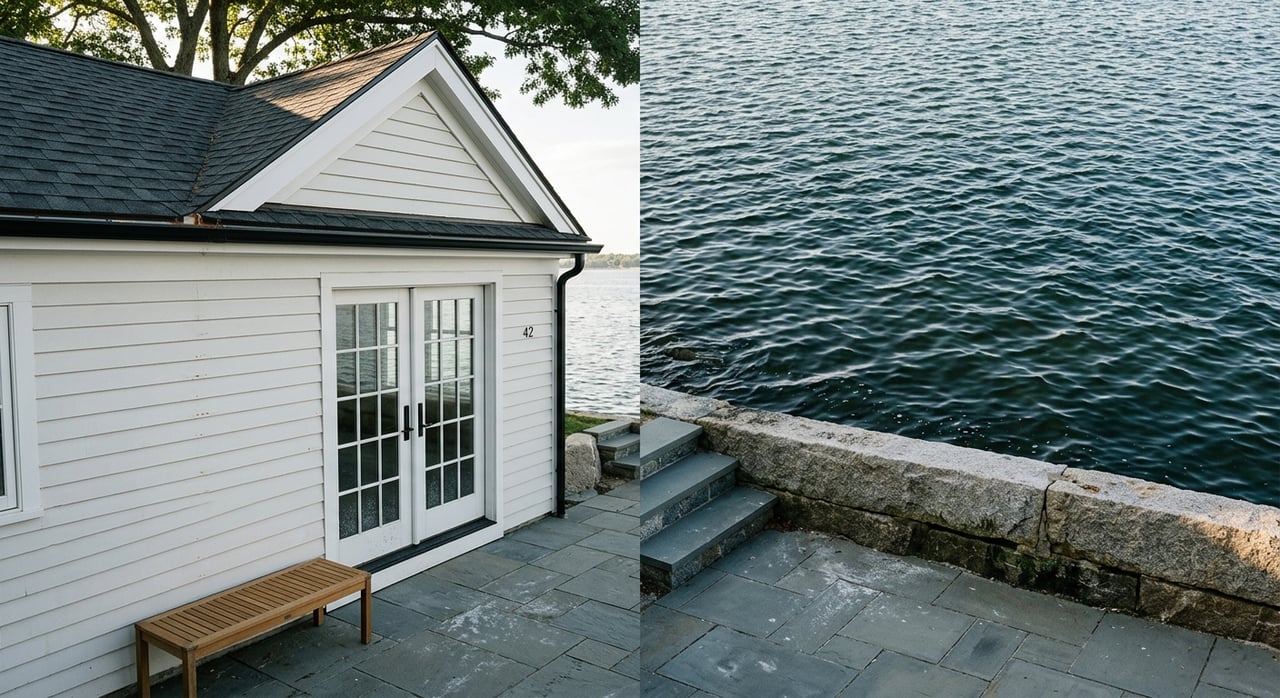
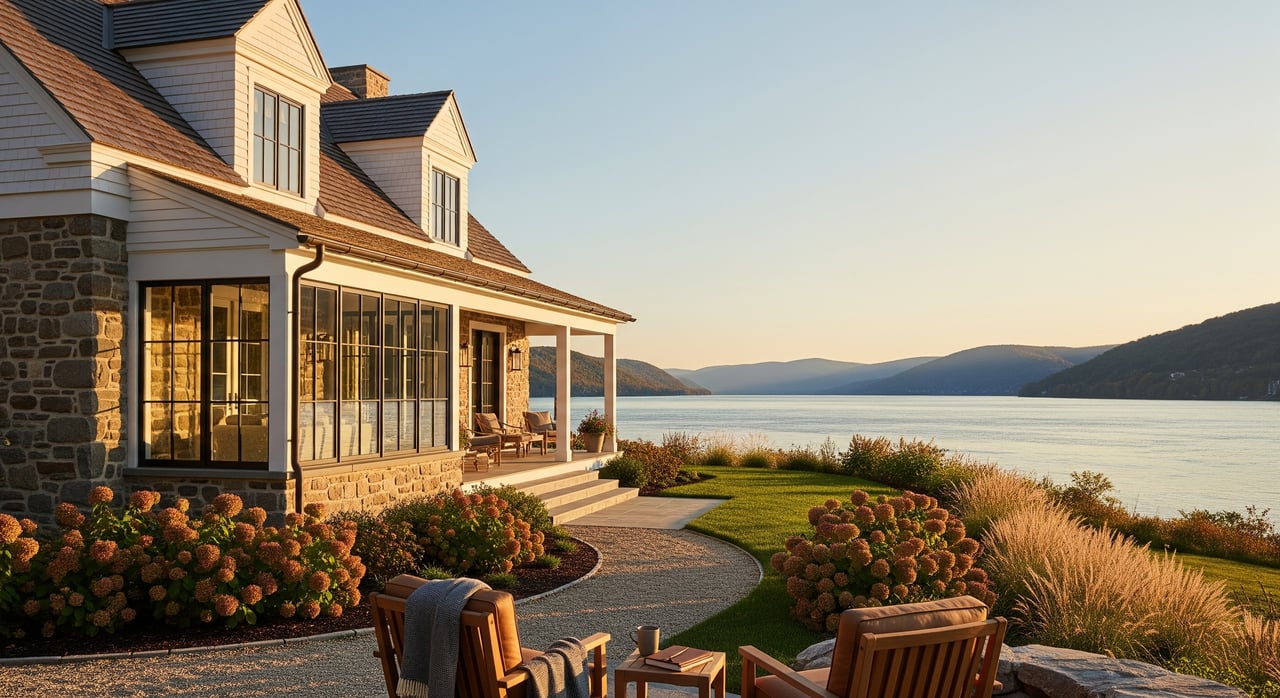
  • Space to host, with shoreline access or views where available. Review any floodplain considerations and insurance implications early in due diligence.

The investor’s take

  • Some buyers explore short‑term rentals. Rules vary by village, town, and county and can change. If rental income matters, confirm current ordinances, registration, and taxes before you buy.

Practical ownership: what to plan for

Transit and door‑to‑door flow

  • Train-first buyers should review Metro‑North schedules, Cold Spring station parking rules, and seasonal adjustments. Many prefer homes within a walk of the station.
  • Drivers should factor in Friday northbound and Sunday southbound congestion, winter road conditions, and proximity to major arteries.

Utilities and maintenance

  • Inside the village, many homes connect to municipal water and sewer. Rural homes typically use private well and septic, which require periodic service.
  • Heating can be oil or propane in older homes. Many owners consider heat pump or hybrid systems to improve winter comfort and costs.
  • For part‑time use, plan for snow removal, seasonal pipe protection, and periodic house checks. Local managers and contractors book up in peak season.

Insurance and site risks

  • River-adjacent properties may sit in FEMA‑mapped flood zones. Ask for elevation certificates, past flood insurance history, and lender requirements before you go to contract.
  • Steeper parcels can have erosion or stormwater considerations. Older homes may have aging systems. A thorough inspection is essential.

Taxes and local rules

  • Property taxes in Putnam County are a meaningful line item. Always model your total cost of ownership with current tax bills.
  • Short‑term rental rules differ by municipality. Confirm current requirements in Cold Spring, Philipstown, and Putnam County if you plan to rent.

Parking and permitting

  • On‑street and municipal lot parking in the village varies and can be tight on busy weekends. If you expect frequent guests, confirm capacity.
  • Cold Spring has a historic district and design review. Exterior changes, additions, and some renovations will require approvals. In rural areas, septic and lot size can limit expansion or ADUs.

A sample weekend, door to door

Friday evening, you step off the Hudson Line at the village station or park on a quiet street near your place. A short walk brings you to dinner on Main Street. Saturday morning, you head to Hudson Highlands trails or the West Point Foundry Preserve for a shorter loop. After lunch and a stroll by Foundry Dock Park, you relax at home. Sunday is coffee, farmers’ market in season, and a slow pack‑up. With a home base, the pace shifts from rushing to lingering.

First‑showing checklist for buyers

  • Commute fit: typical train times to Grand Central, peak and off‑peak options, and station access from the house.
  • Internet: verify providers and speeds at the specific address.
  • Systems: heating fuel type, age of boiler or heat pump, and insulation upgrades.
  • Water and waste: municipal water/sewer vs. private well and septic, including service history.
  • Flood and site: confirm whether the property is in a FEMA flood zone and request any elevation certificate.
  • Parking: on‑site spaces, village permits, and guest capacity.
  • Winter plan: snow removal, pipe protection, and who checks the house when you’re away.
  • Taxes and fees: current property tax bill, insurance estimates, and any HOA or village fees.
  • Renovations: historic district or zoning approvals needed for your plans.

When weekend turns year‑round

Some buyers start with weekend use, then shift to longer stays or a full move. If that may be you, consider year-round services, medical access in Putnam County, and grocery options that operate in all seasons. Parts of Philipstown are served by the Haldane Central School District; review district data and enrollment policies to understand options if you convert to primary residency.

How we help you buy with confidence

You deserve advisors who know both the village rhythm and the property details that matter for part‑time living. Our team helps you evaluate train access, flood risk, utilities, and renovation pathways before you write an offer. We can connect you with local inspectors, property managers, and contractors so weekend ownership is seamless.

The Garay‑Michaud Team combines neighborhood‑level expertise with modern marketing and the reach of SERHANT. With $335M+ in sales and 725+ transactions since 2020, we bring the process, relationships, and market knowledge that get you from day trip to front‑door keys with clarity.

Ready to explore Cold Spring homes that fit your weekend life? Schedule a consultation with The Garay‑Michaud Team.

FAQs

How long is the train ride from Cold Spring to Grand Central?

  • Typical Metro‑North Hudson Line trips are often 60 to 90 minutes depending on express or local service and time of day.

Is Cold Spring good for a lock‑and‑leave weekend home?

  • Yes, especially in the village where many homes have municipal water and sewer, shorter maintenance lists, and easy walks to the station and Main Street.

What should I know about utilities for rural properties near Cold Spring?

  • Many rural homes use private well and septic, and older systems may run on oil or propane; plan for periodic service and consider efficiency upgrades like heat pumps.

What is flood risk like for homes near the Hudson River in Cold Spring?

  • Some river‑adjacent properties fall within FEMA flood zones; review maps, request elevation certificates, and price flood insurance before going to contract.

Can I use a Cold Spring home as a short‑term rental?

  • Rules vary by village, town, and county and can change; confirm current regulations, registration, and taxes with local officials before you buy.

How busy does Cold Spring get on peak weekends?

  • Summer and fall bring heavy hiking and visitor traffic, with limited trailhead parking and busier restaurants, while winter tends to be quieter.

Work With Us

To us, every relationship means so much more than a transaction. That's why our team strives to build strong, lasting relationships with each and every client that go beyond business. We understand what is at stake when finding your dream home, which is why we work closely with you every step of the way--making the otherwise overwhelming process completely stress-free.