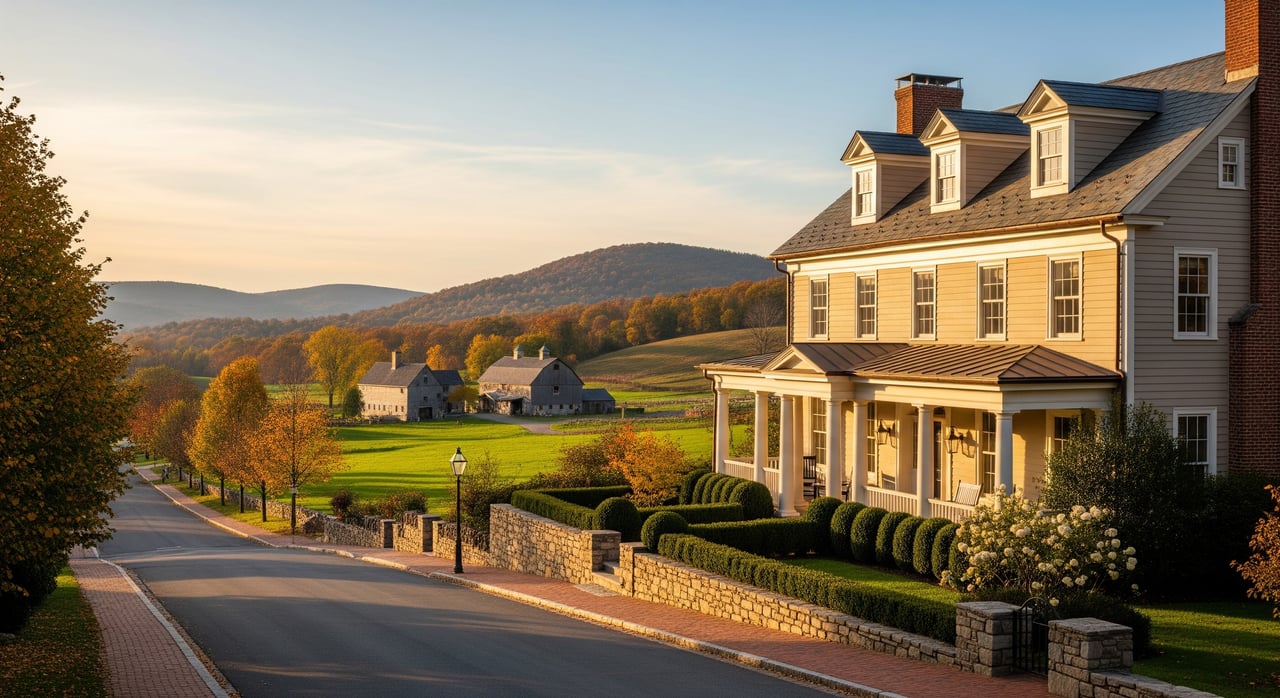
Pawling Village Vs. Town: Where To Buy
January 8, 2026
January 8, 2026
Should you buy inside the Village of Pawling or elsewhere in the Town of Pawling? If you are weighing walkability against yard size, or municipal services against private systems, you are not alone. Choosing the right side of Pawling can shape your day-to-day lifestyle, budget, and resale outlook.
In this guide, you will learn the key differences in taxes, utilities, zoning, transit access, and amenities so you can match a property to your goals. You will also get a practical checklist to confirm details for any address you are considering. Let’s dive in.
The Village of Pawling is an incorporated municipality within the larger Town of Pawling in Dutchess County. The village is the denser core with most downtown businesses and sidewalks. The rest of the town includes the village plus surrounding hamlets and rural areas.
This structure matters because village residents are served by village government in addition to town and county. Properties outside the village are governed by the town and county. That difference affects taxes, services, and permitting paths.
Property tax bills in New York typically include county, town, school district, and sometimes village or special district levies. If you buy in the village, you usually pay an additional village tax for services provided at the village level.
Village services may include municipal water and sewer, local street maintenance and lighting, sidewalks, and code enforcement. Town-only areas receive town services, which can be more limited at the neighborhood level. Whether your total tax bill is higher in the village depends on the specific levies and whether village services reduce private costs, such as paying for well and septic maintenance.
Permitting also differs. Inside the village, building permits, code enforcement, and many approvals flow through village boards. Outside the village, they run through town departments and boards. This can influence timelines and requirements for additions, accessory apartments, or home businesses.
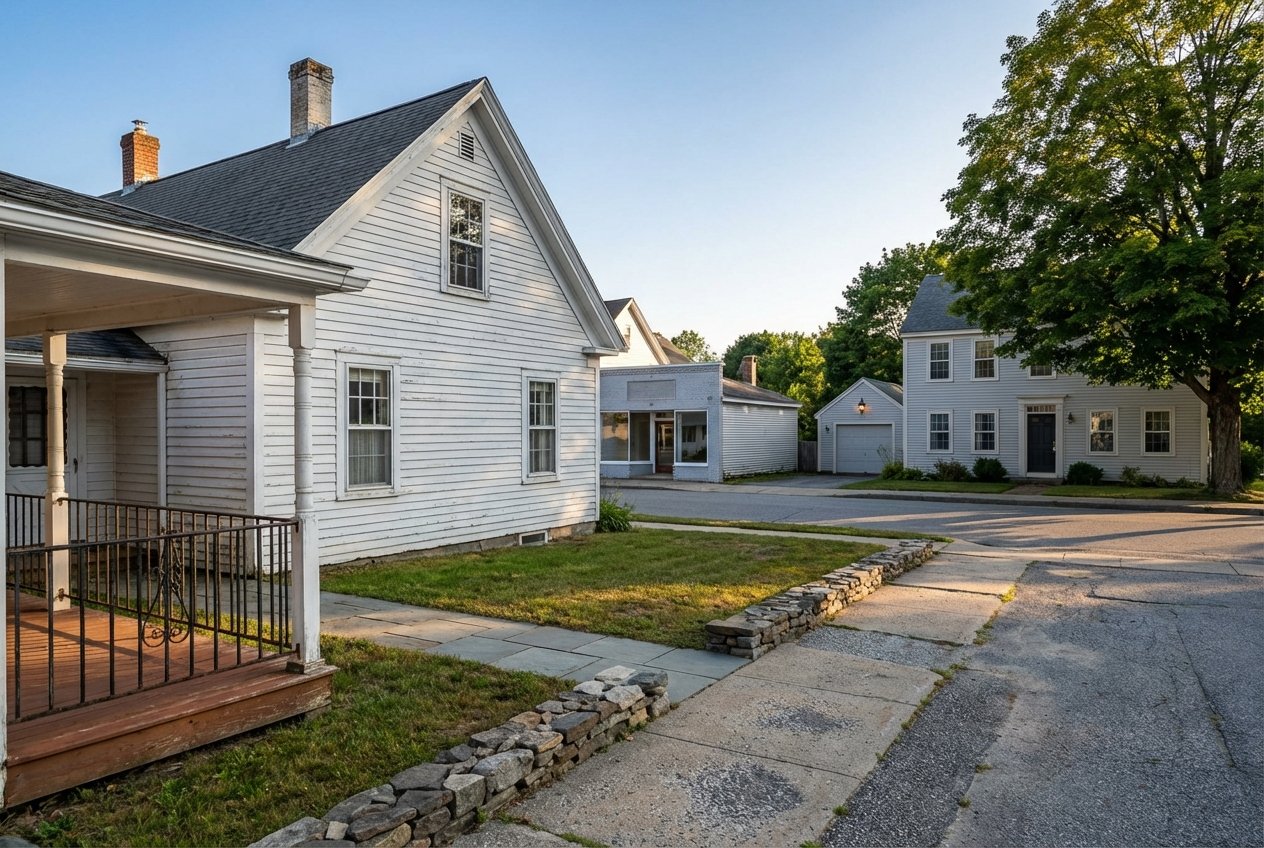
The village generally offers denser housing patterns, with older homes, duplexes, small apartment buildings, and mixed-use properties. You are more likely to find smaller lots, sidewalks, and the ability to live near retail and restaurants.
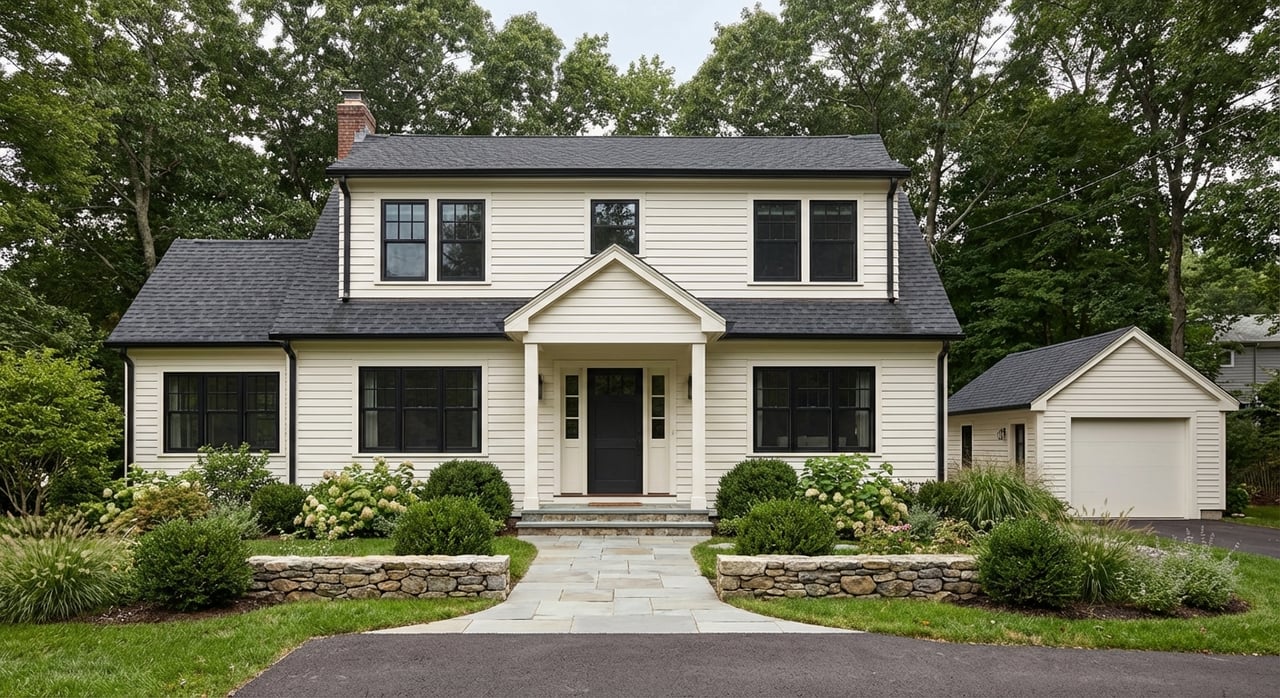
In the town outside the village, you will see more single-family homes on larger lots, newer subdivisions in some areas, and properties suited for agricultural or equestrian use. Many of these homes rely on private wells and septic systems.
Zoning reflects these patterns. Village zoning often allows smaller lot minimums and mixed-use districts. Town zoning may include rural residential and agricultural districts with larger minimum lots. Some parts of the village core may include historic preservation overlays that add design review.
Municipal water and sewer typically serve the village core. Many properties in the town rely on private wells and septic. This difference affects maintenance, inspections, upgrade costs, and daily living. Always confirm whether a specific address is within a water or sewer district and whether capacity and connection are available.
Road maintenance is shared among governments. Village streets are generally maintained by the village, town roads by the town, and county roads by the county. In winter, this can change plowing response based on the road you live on.
Broadband and cell service can vary. The village usually has stronger wired options, while some rural sections of the town may have more limited choices. Check providers and coverage for a specific property if reliable connectivity is important to you.
Most of the village and town are served by the Pawling Central School District. School taxes are often the largest line item on a property tax bill and are typically the same across village and town properties within the same district.
Community amenities concentrate in and near the village. You will find the main commercial corridor, library access, parks, and downtown events. Town facilities and conservation lands are spread throughout the broader area. For any address, confirm program details directly with town and village parks and recreation.
Pawling has a Metro-North station on the Harlem Line. Homes in the village are often closer and can be walkable to the station, which is a plus if you prefer to avoid daily parking. Many areas in the town are a short drive away.
For drivers, proximity to major routes such as the Taconic State Parkway, I-84, and state roads shapes commute times to Poughkeepsie, White Plains, and New York City. Commuter parking availability and local rules can differ by lot. Always verify current train schedules and parking policies before you decide.
If you want a walkable lifestyle, the village offers dining, services, and events within a compact area. Smaller lots can mean lower yard maintenance. The closer you are to the station and downtown, the more your home may appeal to buyers who value convenience.
If you prefer more space and privacy, the town outside the village can offer larger yards and lower housing density. Properties suitable for recreational or agricultural uses are more common. These features can be attractive to buyers who prioritize land and room to grow.
Resale dynamics vary by market cycle. Village homes can draw commuter and downsizer demand, while town homes can attract buyers seeking acreage or newer construction. When you are ready, compare recent sales and time on market in both areas to understand buyer demand.
Your future plans for a property should guide your due diligence. If a property is on a septic system, require a full inspection and confirm town and health department approvals. If it is on municipal sewer, confirm district boundaries, fees, and capacity for any planned additions.
If a property is near streams or low-lying areas, review current FEMA Flood Insurance Rate Maps and local floodplain rules. Conservation easements or agricultural district designations can also limit future development. Always verify zoning, setbacks, and lot coverage rules before designing an addition or outbuilding.
If walking to the train and downtown amenities matters most, the village is a strong fit. You may trade yard size for convenience and municipal utilities. If you prefer more space but still want reasonable station access, look at town neighborhoods with a short drive to the platform and reliable parking.
If you want a larger yard, room for gardens, or potential equestrian or hobby farm uses, the town outside the village likely fits best. Expect more properties with wells and septic systems, and confirm zoning for any agricultural or accessory structures.
If your priority is a lower-maintenance lifestyle close to shops, services, and community events, the village may be ideal. Smaller lots and municipal utilities can streamline upkeep. If you still want some elbow room, consider town homes on modest lots within a short drive of downtown.
Use this quick process to confirm key details before you write an offer:
Use these side-by-side notes as a fast filter while you tour homes:
Village of Pawling
Town of Pawling (outside village)
If you are buying, start by clarifying your top three priorities: commute, space, or walkability. Then use the verification steps above for any home you like. Ask for tax bills and utility details early so you know your true monthly costs.
If you are selling, identify which buyer profile your property fits best. Village homes often market well on convenience and character, while town homes can lean into land, privacy, and flexibility. Align your pricing and preparation with recent, nearby sales that share your utilities, zoning, and location.
When you are ready to compare real-time market data, permitting pathways, and off-market opportunities, connect with local advisors who work both sides of Pawling every day. For tailored guidance and a clear plan, reach out to the The Garay-Michaud Team.
Stay up to date on the latest real estate trends.

To us, every relationship means so much more than a transaction. That's why our team strives to build strong, lasting relationships with each and every client that go beyond business. We understand what is at stake when finding your dream home, which is why we work closely with you every step of the way--making the otherwise overwhelming process completely stress-free.