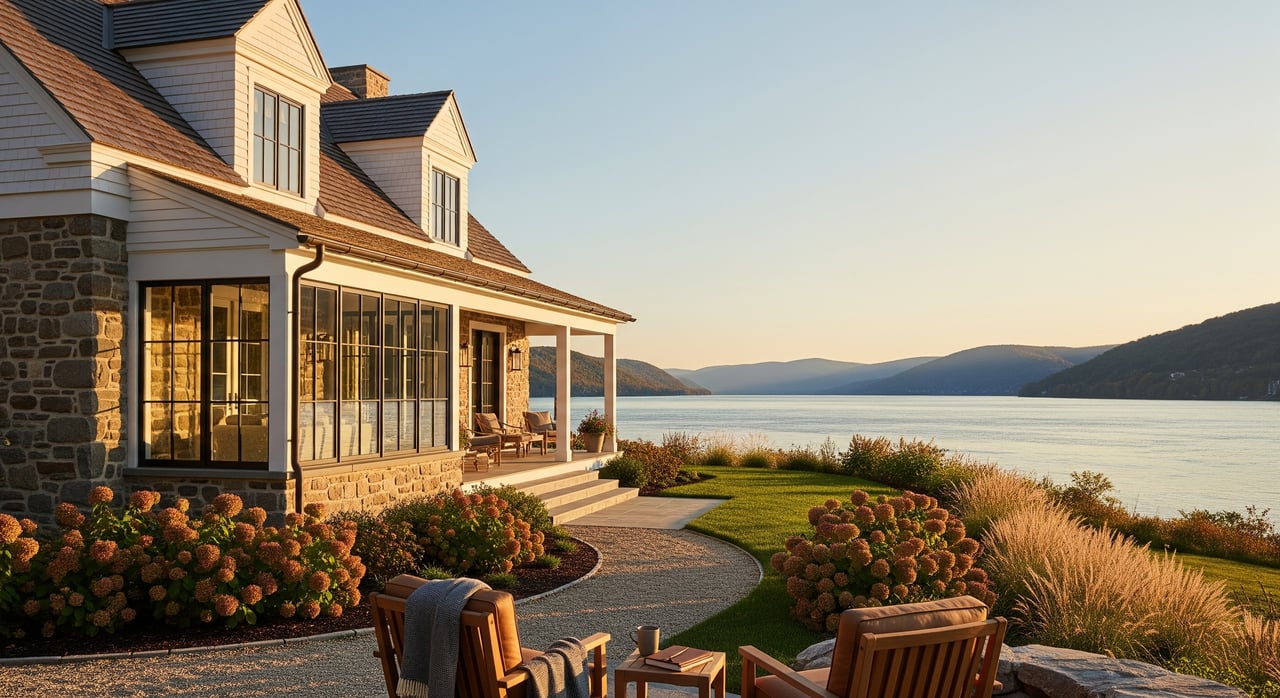
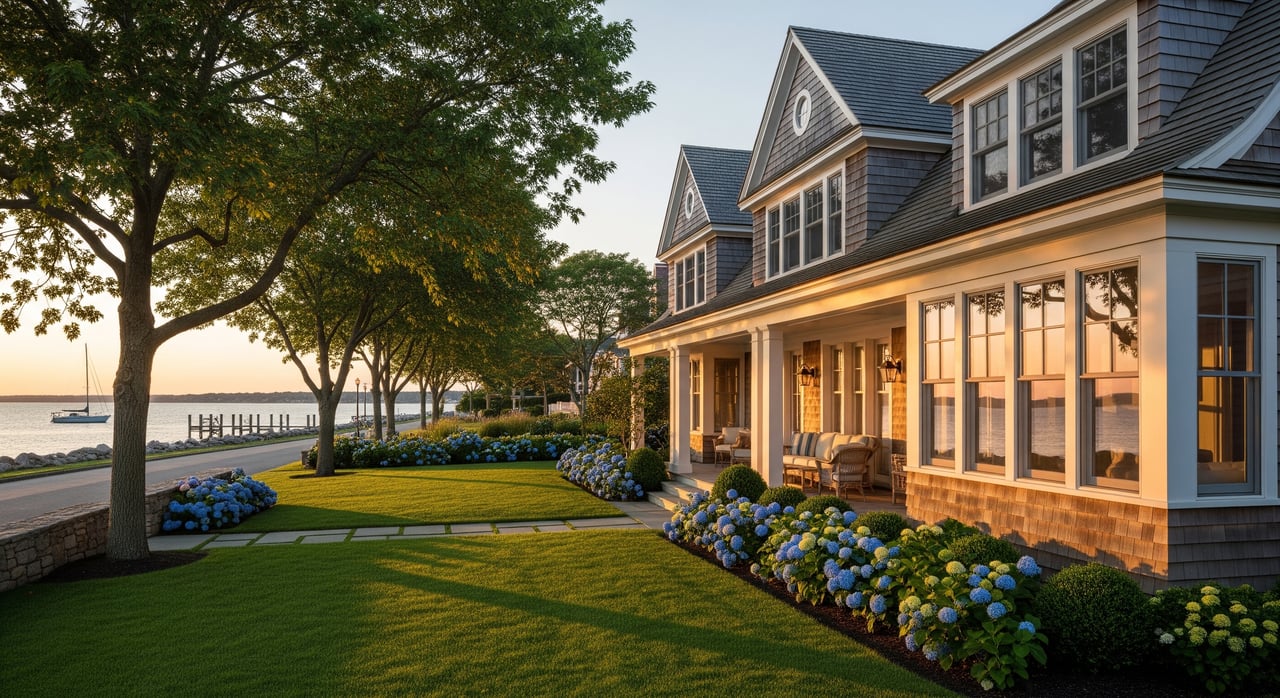
Thinking about buying in Rhinebeck and torn between a crisp new build and a storied historic home? You’re not alone. Rhinebeck offers both charming 18th–19th century architecture and thoughtfully sited newer construction, so your choice really comes down to lifestyle, timing, and budget. In this guide, you’ll learn how upfront costs, ongoing expenses, permits, financing, and resale potential differ in Rhinebeck, plus what to check before you make an offer. Let’s dive in.
Why Rhinebeck is unique
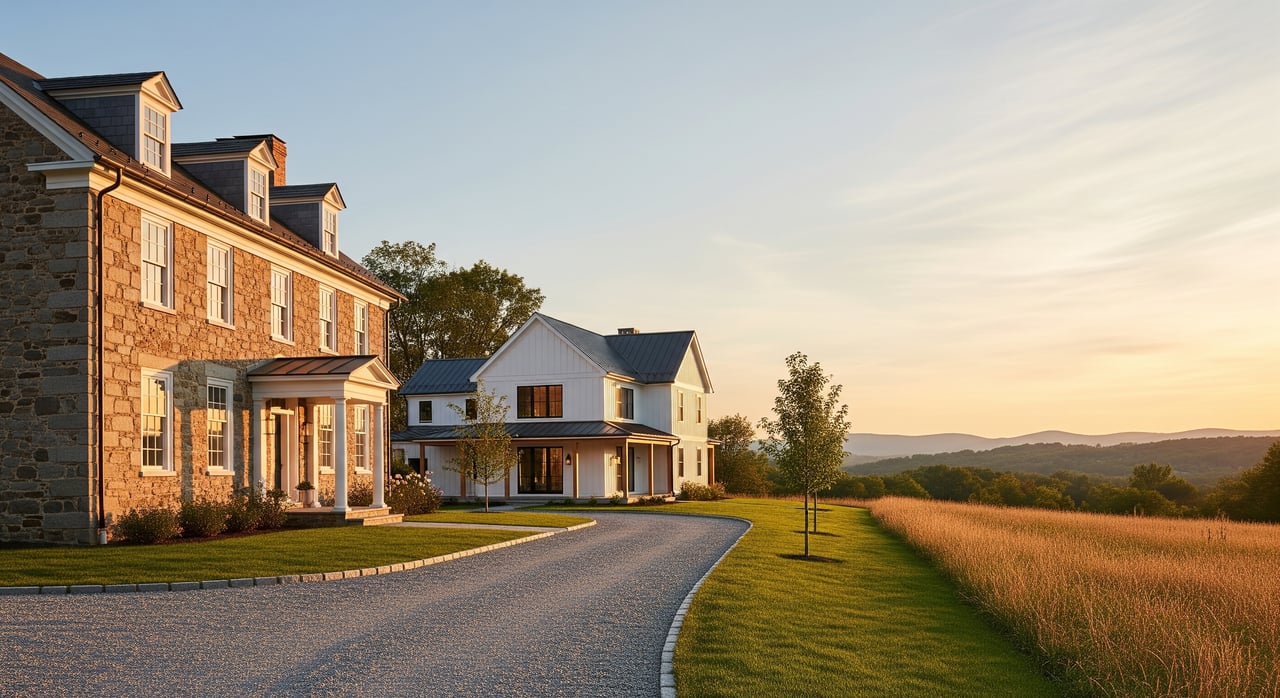
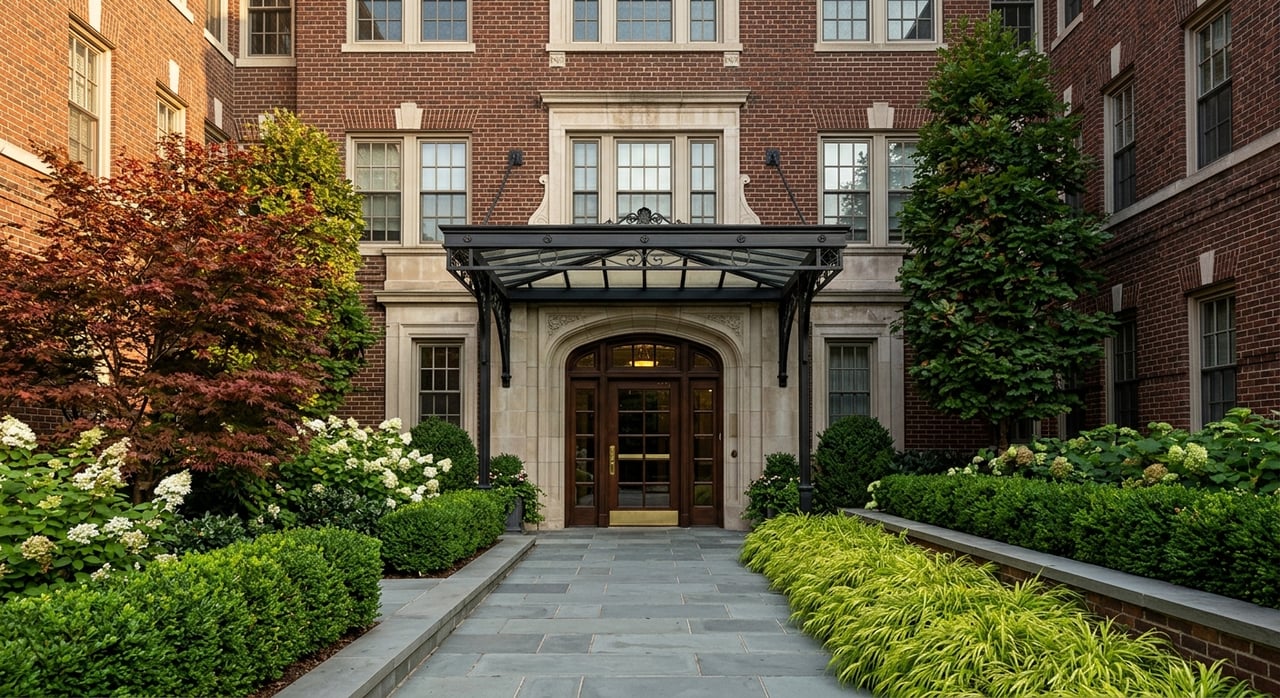
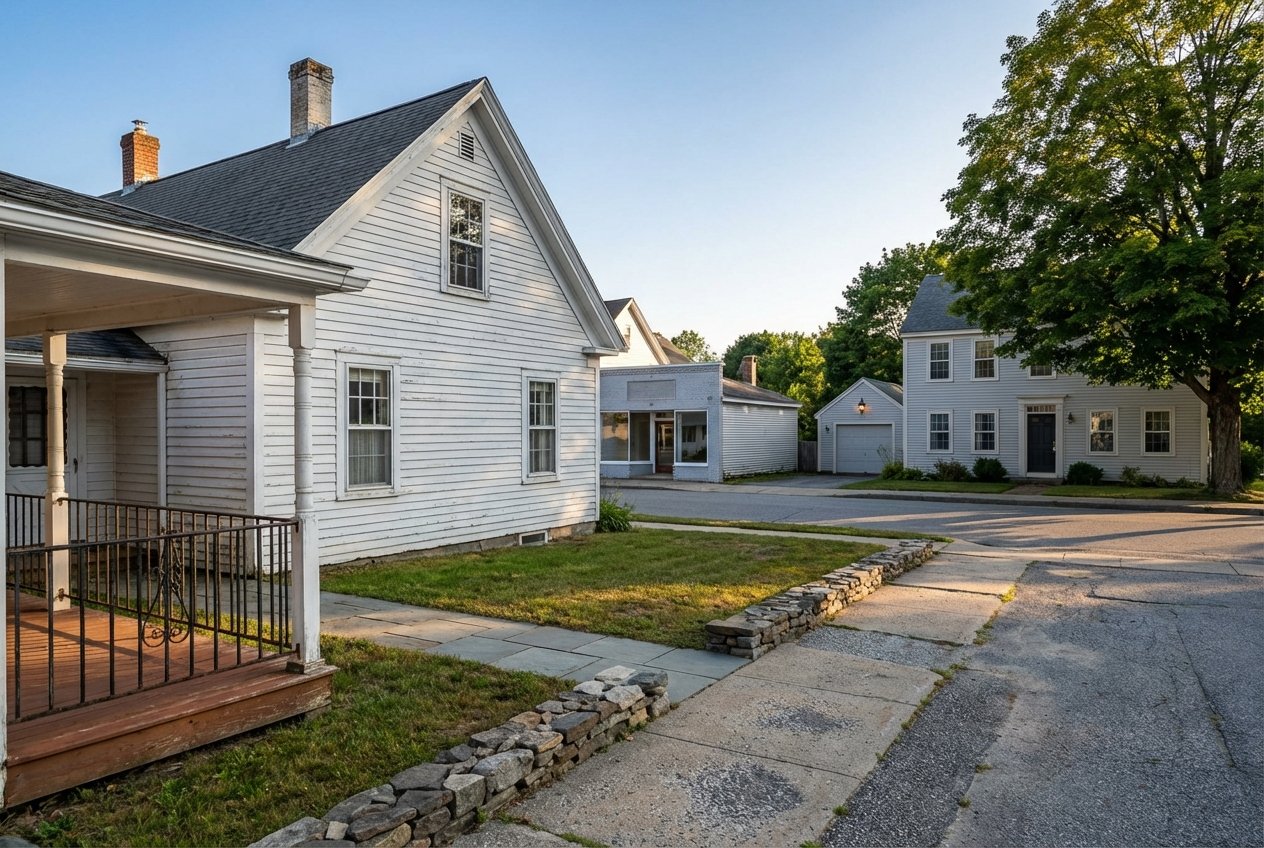
Rhinebeck blends a walkable village center with rural surroundings. Many homes in the Village and older hamlets date from the 1700s and 1800s and include Colonial, Federal, Greek Revival, Victorian, and farmhouse styles. In the wider Town, you’ll find newer subdivisions, infill homes, and larger land parcels.
This mix matters for your decision:
- Historic homes often sit in prime village locations and historic districts. They tend to attract buyers who value character and accept added maintenance.
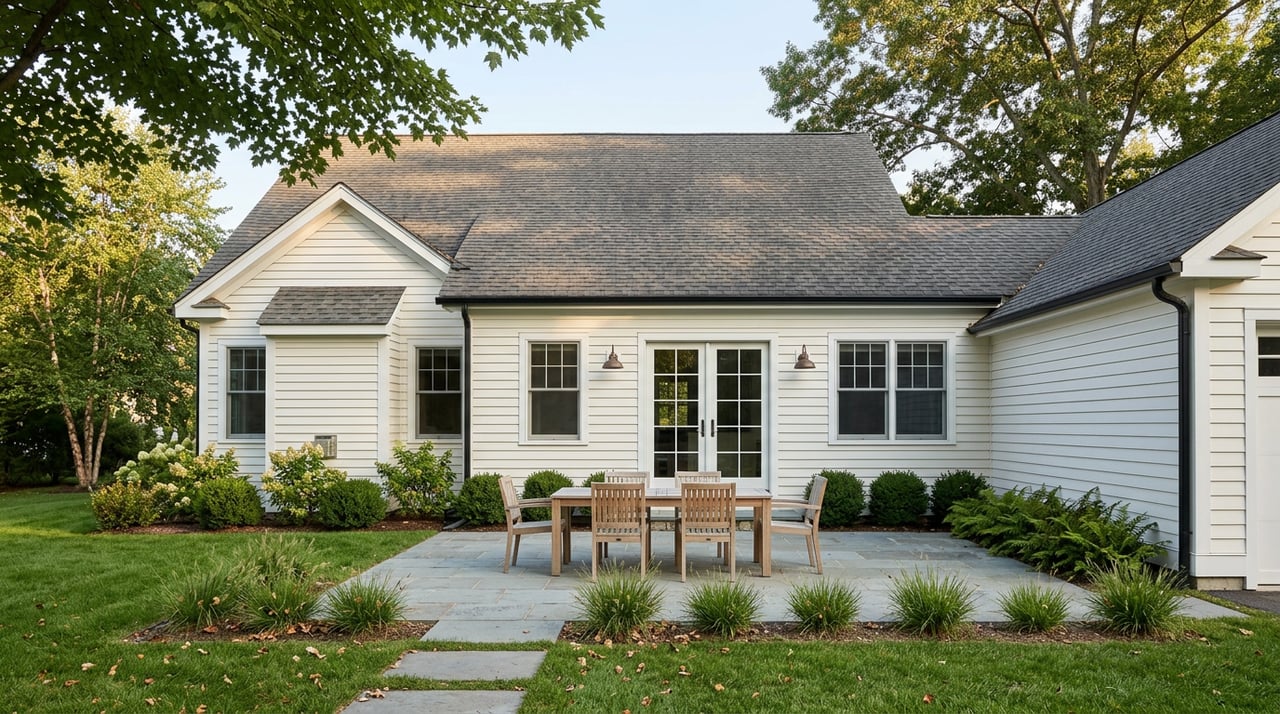
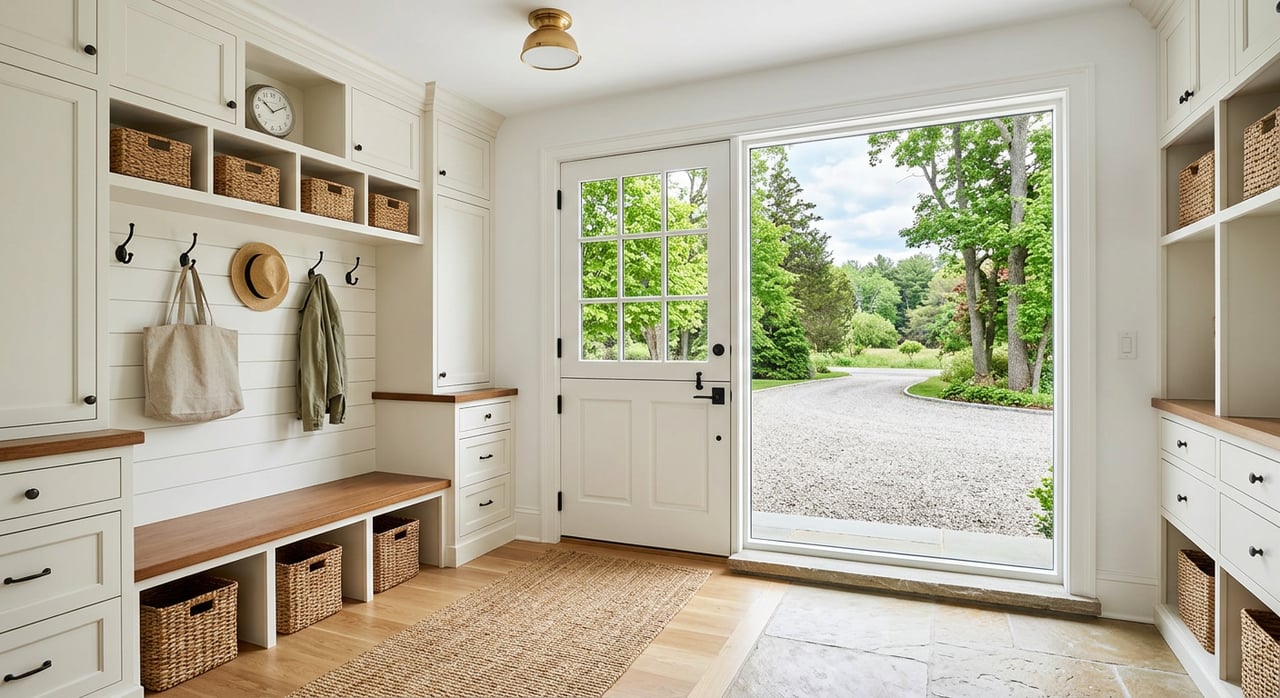
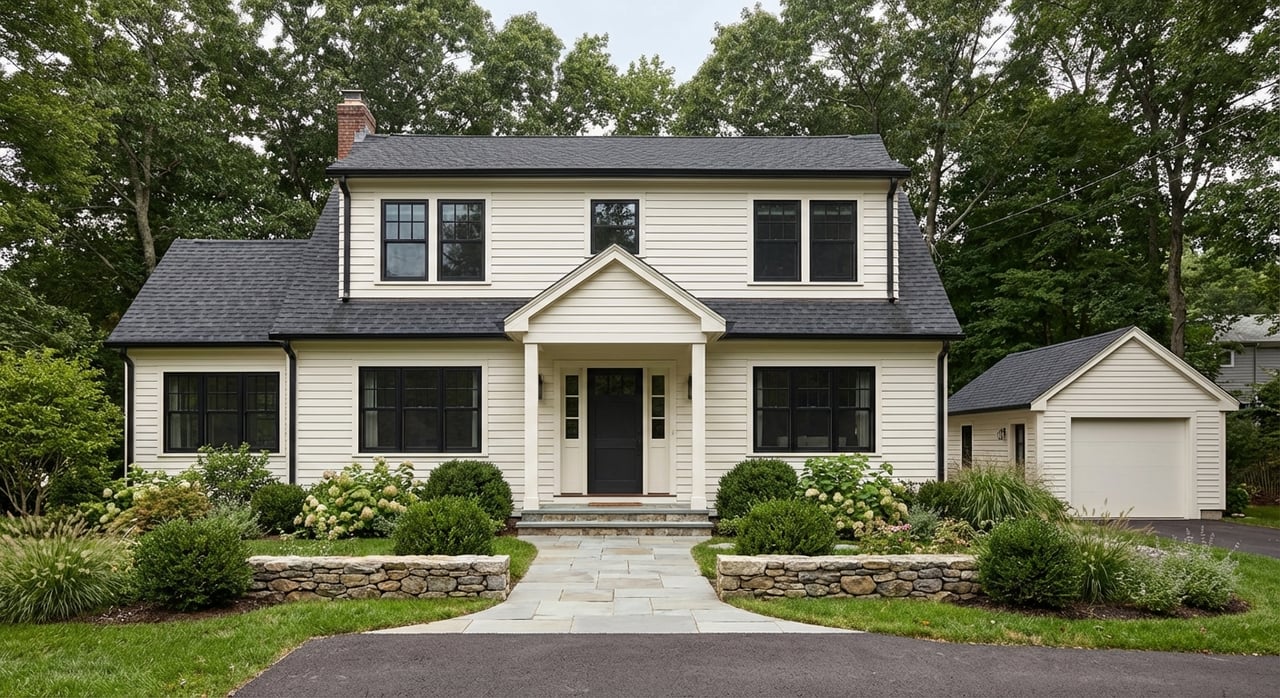
- New builds often appear on infill lots or in subdivisions. They appeal if you want modern layouts, energy-efficient systems, and lower near-term upkeep.
- Utilities vary by location. Parts of the Village offer municipal water and sewer. Many Town properties use private wells and septic, which affects both renovations and new construction.
- Some parcels lie in or near flood zones. Always check the FEMA Flood Map Service Center to understand flood risk and potential insurance needs.
Upfront price: what drives value
You’ll see wide price ranges in both categories, driven by location, lot, size, and condition.
- Historic homes: Village proximity, architectural detail, and condition drive value. Appraisers weigh comparable historic sales and market demand for character, not just replacement cost.
- New builds: Pricing reflects land, current material and labor costs, energy-efficient systems, and contemporary layouts. Appraisals often reference other new-construction comps and the cost to build.
Because pricing changes with the market and property condition, avoid assuming one option is always cheaper. Review recent local comps and factor in likely upgrades when you set your budget.
Ongoing costs: maintenance, utilities, insurance, taxes
Every home needs care, but the type and timing differ by age and condition.
- Maintenance and repairs: Historic homes often require more frequent exterior care and system updates. Think roofing, masonry repointing, original windows, plaster, and carpentry. New builds can have lower immediate upkeep, plus builder warranties for defects.
- Utilities and energy: Older homes are often less airtight unless retrofitted. New construction usually starts with better insulation, sealed building envelopes, and efficient mechanicals. If you’re improving an older home, review potential rebates through NYSERDA programs for homeowners.
- Insurance: Insurers may require older systems to be updated. Flood-zone properties can carry higher premiums. Use the FEMA Flood Map Service Center and talk to your insurer early.
- Property taxes: Taxes follow assessed value. Historic designation does not automatically reduce property taxes. Contact the local assessor for current guidelines.
Rules and permits in Rhinebeck
Local rules influence timelines and what you can change on a property. Always confirm requirements with municipal staff before you plan work.
Historic districts and design review
If a property is in a designated local historic district, exterior changes such as siding, windows, additions, or demolitions usually require review and approval, often through a Certificate of Appropriateness. National Register listing is primarily honorific for private owners. Local designation and ordinances are what typically regulate exterior work.
- Visit the Village of Rhinebeck for historic preservation guidance and to confirm whether a specific address falls within a local district.
- For Town properties, start with the Town of Rhinebeck building and zoning offices for permit pathways and possible design review.
If you plan a renovation, build your timeline to include potential meeting dates and submission deadlines.
New construction permits
New construction requires building permits and approvals. Depending on location, you may need site plan review, septic or well permits, and possibly variances for setbacks or lot coverage. Confirm submittal requirements and anticipated timelines with the building department before you close.
Sewer, septic, and wells
Many Village properties connect to municipal water and sewer. Many Town homes rely on private wells and septic systems. For septic systems, Dutchess County sets public health standards and reviews. Factor in capacity, condition, and the potential need for upgrades if you plan additions or a bedroom count change. Start with your municipal building department and the county health department for process and testing steps.
Flood zones and stream corridors
Some parcels near creeks or low-lying areas may be in regulated flood zones or buffers. Projects there can require elevation standards and special permits. Always verify flood status through the FEMA Flood Map Service Center and discuss local requirements with the municipality.
Renovating an older Rhinebeck home: complexity and risks
Older homes can be rewarding, but you want eyes wide open.
Common items to investigate:
- Electrical and plumbing: Knob-and-tube wiring, older service panels, or galvanized plumbing may need replacement.
- Envelope and materials: Plaster and lath, original windows, and historic masonry require specific repair methods to avoid damage.
- Hazardous materials: Lead-based paint and asbestos can be present in older homes. Testing and abatement can add cost and time.
- Structure: Check for foundation settlement, sill rot, and insect damage. Chimneys often need inspection and lining.
Preservation-savvy contractors and engineers can help you phase upgrades and protect historic features while meeting current code. Expect a more detailed scope and longer timelines for significant work.
Financing paths: new build vs historic renovation
Financing varies based on what you’re buying and how much work you plan to do.
New construction loans
New builds often use construction-to-permanent loans that fund work in draws and convert to a standard mortgage at completion. Lenders want stamped plans, a budget, and builder qualifications. Your builder may also offer preferred-lender options.
Renovation loans for older homes
If you’re purchasing a historic home that needs updates, you can roll construction costs into your mortgage with certain products:
- FHA 203(k): A government-backed option that bundles purchase and renovation into one loan. Review the program at the HUD 203(k) page.
- Fannie Mae HomeStyle Renovation: A conventional loan that finances purchase plus improvements. See the HomeStyle Renovation overview.
Your lender can walk you through eligibility, down payment, and appraisal requirements.
Incentives and credits to explore
Energy upgrades: Heat pumps, insulation, and solar may qualify for state rebates and federal credits. Start with NYSERDA homeowner resources to scan current programs.
Historic tax credits: Some federal and state historic rehabilitation credits exist, often focused on income-producing properties and certified work. Owner-occupied single-family eligibility is limited and can change. Review guidance with the New York State Historic Preservation Office and its Tax Credit Programs pages to confirm current rules.
Local grants and loans: Dutchess County and other agencies sometimes offer programs for septic repair, energy upgrades, or accessibility. Check county housing resources for current offerings and terms.
Resale and marketability
Resale depends on location, condition, and what buyers value at the time you sell.
- New builds: Modern layouts, energy efficiency, and low near-term maintenance often draw broad interest. Transferable builder warranties can support buyer confidence.
- Historic homes: Character-rich properties in prime village locations often see strong demand among buyers who value original detail. Well-executed, preservation-minded upgrades can help retain value.
Your strategy matters either way. Quality improvements, clear documentation of work, and thoughtful staging can support pricing and days on market.
Due diligence checklist
Use this as a starting point before you write an offer and during your inspection period.
Before you offer:
- Pull recent comps for both historic and newer homes in your target area.
- Confirm zoning, setbacks, lot coverage, and any open violations with the municipality.
- Verify whether the property is in a local historic district and ask about design review steps.
- Check FEMA flood maps for flood zone status and insurance implications using the FEMA Flood Map Service Center.
- Clarify utilities: municipal water and sewer or private well and septic. Ask for septic records if applicable.
- Review oil tank history and fuel type if present.
- Obtain a current survey or confirm boundaries.
During inspections:
- Hire a home inspector experienced with older homes.
- Bring in a structural engineer if you see settlement or plan large renovations.
- Inspect chimneys and fireplaces.
- Arrange septic inspection and a well water test if applicable.
- Consider lead-based paint and asbestos testing if you plan renovations.
- Request an energy audit if efficiency is a concern, then map potential rebates through NYSERDA.
Before closing:
- Complete a title search and review easements or any preservation easements.
- Confirm any required Certificates of Appropriateness or building permits are in place for work already performed.
- Verify utility connections, service line responsibility, and any special assessments.
How to choose: quick guide
Use these prompts to align your choice with your goals.
- You value character and walkability: Target historic homes in or near the Village. Budget for maintenance, plan for design review, and line up preservation-savvy pros.
- You want low immediate maintenance and modern systems: Focus on new construction or newer infill. Review builder reputation and warranty coverage.
- You want a modern layout but love older charm: Consider a historically sensitive interior reconfiguration. Discuss exterior limits with the municipality and map your permit timeline.
- You want to control operating costs: Model energy upgrades for an older home or lean into new construction efficiency. Check NYSERDA for incentives.
- You need certainty on timing: New builds and historic renovations both require planning. Pad your schedule for permits and inspections, especially in local historic districts.
Still deciding between old-world charm and new-home convenience in Rhinebeck? A focused plan and the right local advisors will clarify your path. If you want a step-by-step strategy, market comps, and introductions to vetted builders or preservation contractors, connect with the The Garay-Michaud Team.
FAQs
What should a first-time buyer in Rhinebeck check before offering on a historic home?
- Start with a full home inspection, confirm historic district status with the municipality, review FEMA flood maps, and estimate near-term system upgrades like electrical and roof.
How do I confirm if a Rhinebeck property is in a flood zone?
- Enter the address in the FEMA Flood Map Service Center and discuss insurance requirements and building standards with your insurer and the municipality.
Do National Register designations limit what I can change on my house in Rhinebeck?
- National Register listing is generally honorific for private owners. Local historic district rules and commissions are what typically regulate exterior changes.
What financing helps combine purchase and renovation for an older home?
Where can I find energy rebates for upgrading an older Rhinebeck home?