Preparing To Sell A Luxury Home In Scarsdale
March 26, 2026
March 26, 2026
Thinking about selling your luxury home in Scarsdale and wondering where to start? You want a top result without over-spending on prep, and you want a smooth process that respects your time and privacy. In this guide, you will learn how to prioritize high‑ROI updates, plan staging and media, time your listing around buyer demand, and decide which inspections make sense before you go live. Let’s dive in.
Scarsdale is one of Westchester’s highest value markets, and different data vendors often report different medians because of timing and methods. Recent snapshots show medians in a broad range, roughly from the low seven figures to around two million. For trend context, review independent sources like PropertyShark trend data for Scarsdale and the Village of Scarsdale’s annual financial report for background on local conditions.
In the luxury tier, time on market can directly affect price. The 2025 Luxury Homes Index reports that properties that sell within a defined fast window often command measurable premiums, while ultra‑luxury listings that linger tend to face larger discounts. Your goal is a sharp launch with excellent presentation, smart pricing, and targeted outreach so you catch that fast‑sale window.
Buyers in the multi‑million range want quality, clarity, and convenience. Focus on features that read as move‑in ready.
The best returns often come from targeted refreshes rather than full gut remodels. The 2025 Cost vs. Value Report shows that midrange exterior upgrades and minor kitchen work typically recoup a higher percentage of cost than major luxury overhauls.
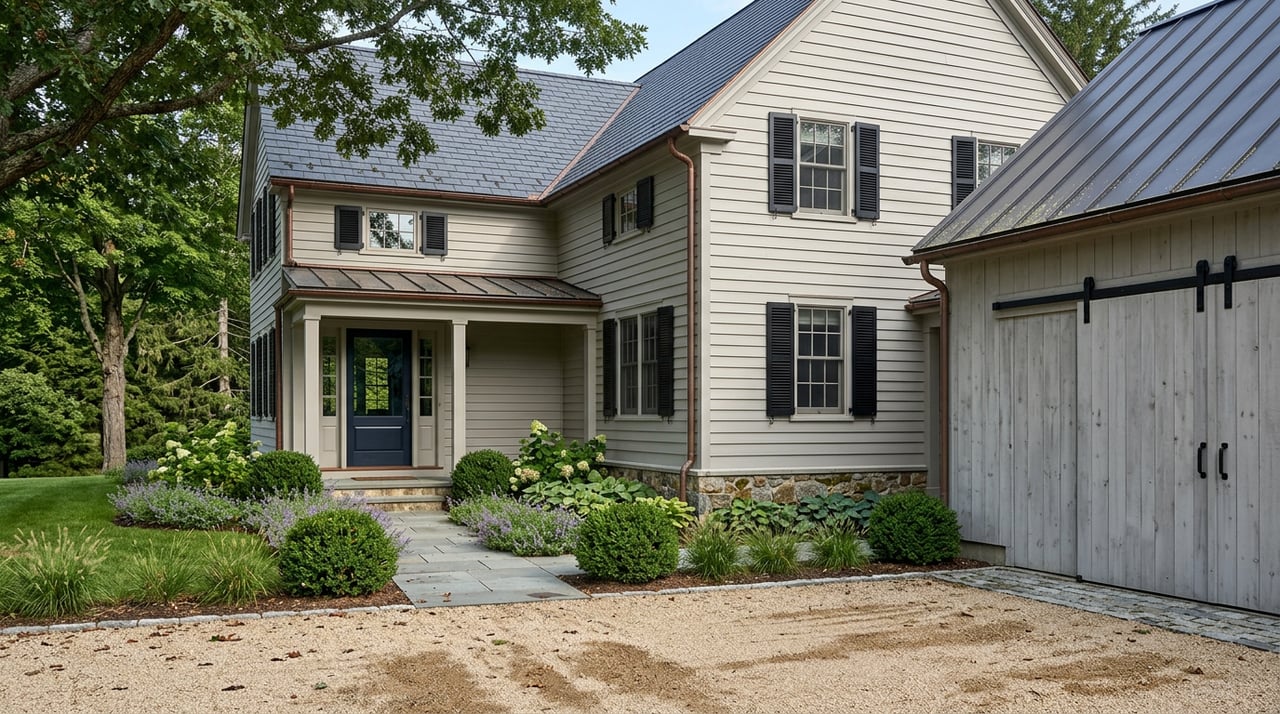
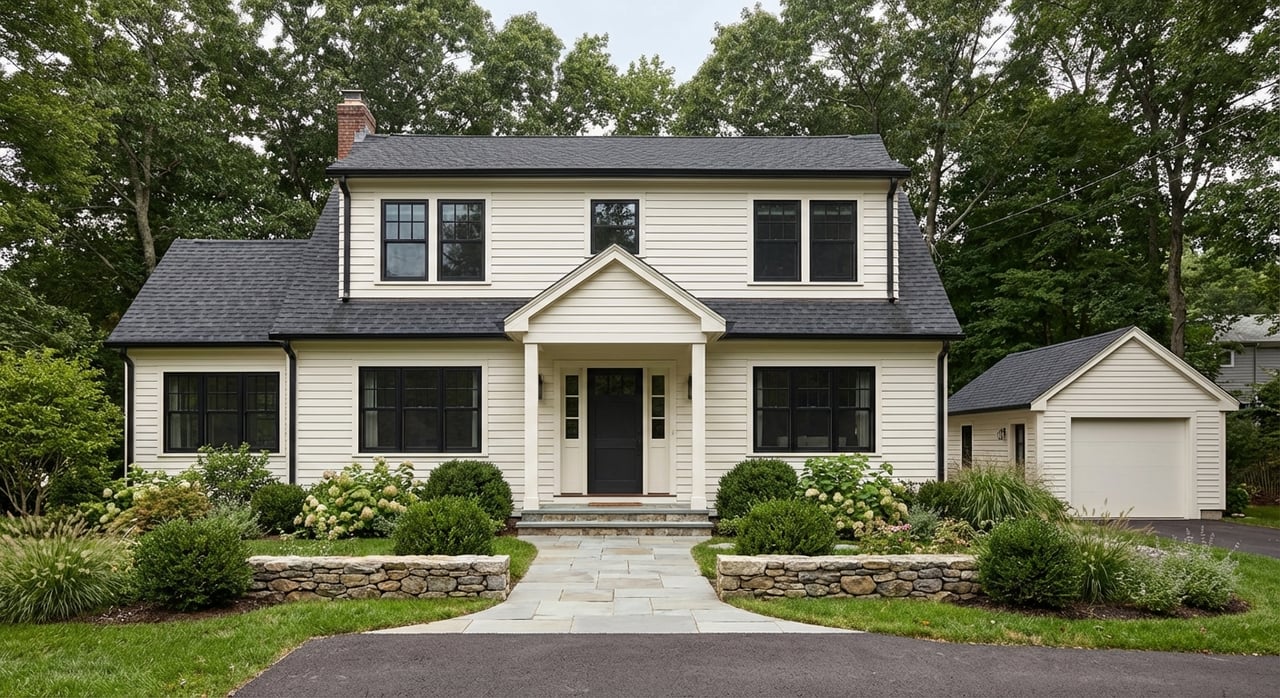
Start at the street. Fresh paint on trim, an updated front or garage door, simple landscape edits, and path lighting can reframe the entire property. Small exterior investments often have an outsized impact, especially in photos.
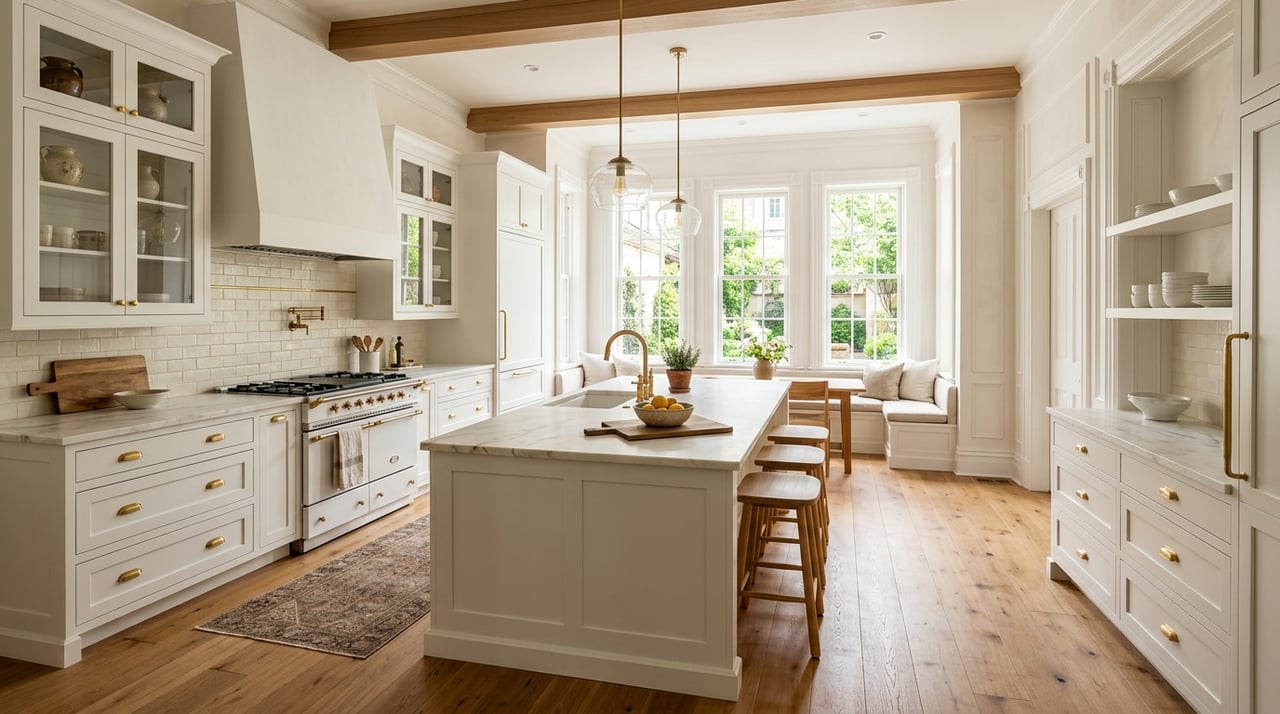
A “minor” kitchen update can go a long way. Think cabinet refacing, modern counters, updated fixtures and lighting, and newer appliances. In the primary bath, a clean palette and quality fixtures are more important than extravagant finishes.
Refinish hardwoods where worn, replace tired carpet, and apply fresh neutral paint. Repair visible defects like chipped trim, loose hardware, and mismatched outlet covers. These items punch above their weight in buyer perception.
If you suspect a roof leak, aging HVAC, or electrical hazards, address them before listing or price accordingly. Buyers discount heavily for surprise big‑ticket issues that surface after an offer.
Your buyer will first experience your home online, then confirm that feeling in person. Plan both with intention.
For larger homes, assume you will need off‑site storage for excess furniture and personal items. Pre‑pack seasonal goods, secure valuables, and coordinate with organizers or movers who understand privacy standards for high‑net‑worth clients.
According to NAR’s 2025 Profile of Home Staging, staging helps buyers visualize a home and can shorten time on market. Costs vary by scope. Expect a few hundred dollars for a consultation, from hundreds to several thousand for occupied staging refreshes, and several thousand per month for full luxury staging in a vacant home. Virtual staging can help with online presentation but cannot replace the impact of in‑person staging for luxury showings.
At this price point, buyers expect professional photography, twilight images, aerials where permitted, a cinematic video, a 3D tour, and floor plans. Typical budgets for comprehensive photo packages often range from about $500 to $2,000 or more for luxury properties, with add‑ons for drone, twilight, and video production. Coordinate so the photographer shoots after staging is complete and book twilight sessions based on weather and light.
A pre‑listing inspection can reduce surprises, allow you to repair on your schedule, and support faster closings. Review InterNACHI’s seller inspection guidance and discuss with your agent and attorney. The trade‑off is that documented issues may create disclosure obligations. Decide case by case whether to inspect, repair, provide credits, or disclose as‑is.
For larger or older homes, schedule targeted contractor checks 6 to 12 weeks before listing. That gives you time to handle roof, HVAC, electrical, or masonry repairs that may need permits. For a faster timeline, do focused evaluations 4 to 8 weeks out and only commission a full seller inspection if your agent recommends it.
Family buyers often aim to move over the summer so they can start the new school year without disruption. In practice, listing between late March and May can help you capture that pool, with closings in June or July. Check the Scarsdale UFSD calendar snapshot and coordinate with your agent so your list date, showing schedule, and preferred closing window align.
Interview multiple agents and ask for a written, itemized marketing plan. Request case studies of recent Scarsdale or Westchester luxury listings with list‑to‑sale performance and days on market. Confirm exactly what media will be produced, where your property will be distributed, the strategy for NYC commuter and relocation buyers, and how privacy will be handled for showings and disclosures.
Key questions to ask:
When you are ready, schedule a confidential strategy session. A high‑touch plan that blends neighborhood‑level expertise with premium media and broad distribution is how you shorten time on market and protect price. If you want a clear, data‑driven path to market, connect with The Garay Team to get started.
Stay up to date on the latest real estate trends.


To us, every relationship means so much more than a transaction. That's why our team strives to build strong, lasting relationships with each and every client that go beyond business. We understand what is at stake when finding your dream home, which is why we work closely with you every step of the way--making the otherwise overwhelming process completely stress-free.