Leave a Message

Thank you for your message. We will be in touch with you shortly.

Buying A Home Near Pawling’s Harlem Line: Key Considerations

March 5, 2026

Picture your morning starting with a quick walk to a small-town platform, coffee in hand, and an easy ride into Manhattan. If that vision draws you to Pawling, you are not alone. Buyers love the blend of village charm, outdoor access, and a direct link to Metro-North. In this guide, you will learn how train service, parking, zoning, micro-locations, and resale factors should shape your decision. Let’s dive in.

Harlem Line access: what it means day to day

If you plan to commute, the northern Harlem Line matters. North of Southeast, the Harlem Line operates as a single-track, diesel branch, which limits frequency compared to the electrified corridor farther south. You will see a mix of through peak trains to Grand Central and shuttle connections. Confirm your exact options in the current Harlem Line schedule and review system details on the Harlem Line overview.

Frequency, flexibility, and timing

Expect fewer trains per hour than stations south of Southeast. If your job requires you to land at a very specific time, identify the exact morning and evening trains you would use and note whether they are through trains or shuttles. The timetable highlights peak-only and weekend-only trips, which helps you compare a walkable village address with a rural home that requires a drive and parking. Build your daily plan using the official Harlem Line schedule and the TrainTime app before you make an offer.

Stations, amenities, and last-mile options

Pawling station is straightforward and commuter friendly. It offers an accessible platform, ticket vending machines, and local transit connections noted on the MTA’s Pawling station page. There is also a separate Appalachian Trail stop within the town, which is a weekend and holiday flag stop aimed at hikers; you can review details on the MTA’s Appalachian Trail station page.

If your schedule needs more flexibility, some buyers choose to live within a short drive of a busier station to increase train frequency. For many, though, a village address close to Pawling station is a strong everyday solution.

Parking and permits at Pawling station

The Village of Pawling manages the commuter parking at the station through an agreement with Metro-North. The Village’s parking rules document covers permits, a waiting list, weekday permit enforcement, free or unrestricted parking on weekends and some holidays, overnight and snow-emergency rules, and seven reserved accessible spaces. Review the official Village parking rules and permit application and call the office to confirm current availability. If you will rely on station parking, permit status can make or break your routine, so verify this early in your search.

Micro-locations: Village, hamlets, and trail access

Village of Pawling: walkable and connected

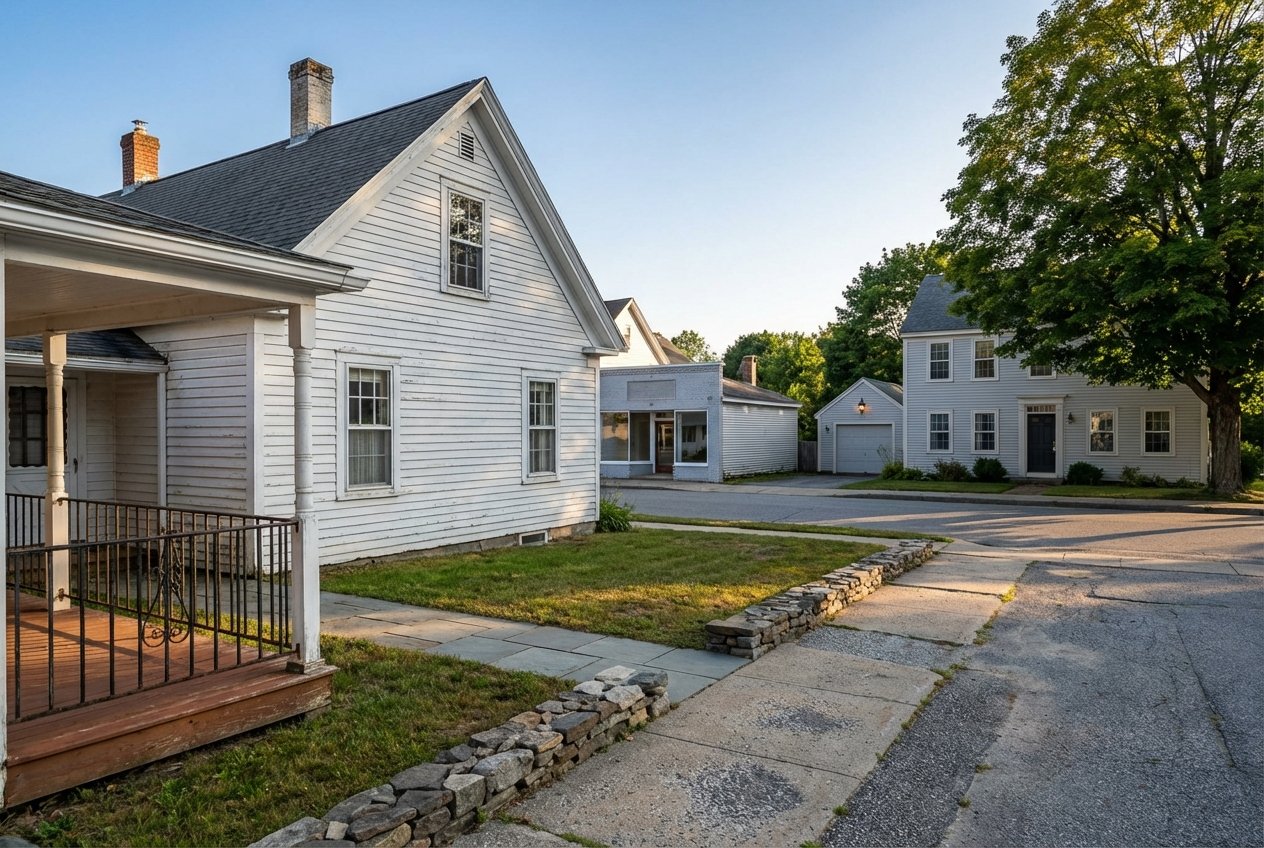
The Village is Pawling’s compact, walkable core. You will find a cluster of shops, dining, the library, and shorter walks to the platform. Lots are usually smaller and many homes connect to municipal water and sewer. Zoning is more flexible than in rural areas and can allow smaller lot sizes or mixed use in certain districts. For specifics, check the Village’s Schedule C Area & Bulk Table for minimums, setbacks, and allowed uses by zone.

Town and hamlets: space, privacy, and a car-forward rhythm

Beyond the Village, the Town of Pawling includes hamlets such as Holmes, West Pawling, and Quaker Hill. Homes here often sit on larger lots and many rely on private well and septic systems. You will likely drive for errands and to the station. The housing mix includes one-family houses on acreage, ranches, mid-century properties, and country estates.

Appalachian Trail and rural north: weekend rail and recreation

Pawling’s Appalachian Trail stop is a separate, weekend-focused station used primarily by hikers. It offers quick rail access to trailheads and the Pawling Nature Reserve, which is appealing if your lifestyle leans toward day hikes and outdoor time. If you still commute during the week, confirm your weekday station plan and parking, then enjoy the easy weekend trail connection.

Zoning, utilities, and property types

Zoning and utilities shape daily life, expansion options, and long-term value. Here is how that plays out across Pawling:

  • Town zoning and lot sizes. The Town’s code ties minimum lot size to utilities. As a general rule, detached or semidetached homes with individual well and septic often require about one acre per dwelling unit, while minimums can be smaller, often around a half acre, when municipal water and/or sewer are available. Review the Town’s supplementary regulations, cluster subdivision rules, and exact district standards in the Town of Pawling code before you make plans for additions or subdivision.
  • Village zoning and flexibility. The Village typically allows smaller minimum lot sizes and certain mixed-use possibilities in designated districts. For site-specific rules, consult the Village Schedule C and speak with the Planning or Building Department.
  • Utilities checklist. Confirm whether a property is on municipal water and sewer or relies on a private well and septic. This affects maintenance, potential expansion, landscaping choices, and resale.
  • What you will see near the station. In and around the Village, you will encounter older single-family homes, Victorians, carriage-house conversions, small apartment buildings, and some mixed-use storefront properties. In the Town, you will see one-family homes on larger lots, ranches, post-war to newer builds, and occasional estates.

Pricing and resale: how to think about value

Market reports can vary by vendor and timeframe, which is why you will see different medians for the same period. A practical approach is to compare several sources to set a range, then rely on current, hyper-local comps for the street or hamlet you want. For a quick snapshot, review the Pawling market page on Rocket Homes, then have your agent pull the most recent MLS comparables within your target micro-location.

Regionally, Hudson Valley prices have climbed in recent years, with commuter towns benefiting as more buyers sought space while keeping rail access to NYC. You can scan county-level and regional trends in coverage like the Times Union’s report on record highs. Long-term upside in Pawling often tracks with the fundamentals buyers care about: reliable train access, practical parking, utilities, and a daily-life fit that holds wide appeal.

When you weigh resale, consider these Pawling-specific factors:

  • Station walkability. Homes that offer a real door-to-platform walk often attract commuters and downsizers and can support stronger liquidity. Time the walk yourself at different hours and in winter conditions.
  • Parking certainty. A permit waitlist or strict weekday enforcement can change the daily math for commuters. Verify conditions using the Village parking rules.
  • Utilities and lot size. Municipal sewer and water can simplify expansion and support smaller lots, while well and septic on larger parcels require due diligence on system capacity and placement. Check the Town code early if you plan to add bedrooms or outbuildings.
  • Schools and services. Pawling Central School District serves the area, and families often review enrollment size and program details during their search. For neutral, data-driven context, use the district pages and NCES, such as this NCES profile, and confirm boundaries directly with the district.

Buyer checklist: compare Pawling addresses with confidence

Use this quick workflow to move from online browsing to a confident offer:

  1. Map your commute against the current Harlem Line schedule. Identify the exact AM and PM trains you would take on typical days and back-up options on late nights and weekends.
  2. Call the Village parking office and review the official parking rules and permit application. Ask about current permit availability, waitlists, weekday enforcement, and snow or overnight policies.
  3. Confirm utilities at each property. Note whether the home is on municipal water and sewer or private well and septic. Keep this in mind for any future additions, pools, or accessory structures.
  4. Cross-check zoning. Pull the Town code and the Village Schedule C for the property’s district to understand minimum lot sizes, setbacks, and permitted uses.
  5. Compare hyper-local comps. Focus on recent closed sales on the same block or road, not just townwide medians. Use multiple sources to spot ranges, then let recent MLS comps guide your offer.
  6. Time your walk or drive to the platform. Do it once at morning peak and once after dark. Check lighting, sidewalk clearing, and true door-to-platform time. If you bike, confirm MTA’s current bike policies for the trains you would use.
  7. Scan regional trends. Use broad market context, like the Times Union’s Hudson Valley report, to understand momentum while keeping your pricing hyper-local.

Ready to see whether a village walk-up, a quiet hamlet home, or a trail-adjacent property best fits your life? Connect with us. As local advisors who work the Harlem Line corridor every day, we will help you align train access, parking certainty, zoning, and resale potential with your budget and goals. Schedule a consultation with The Garay-Michaud Team to get started.

FAQs

Is Metro-North service from Pawling reliable for daily NYC commuters?

  • North of Southeast, the Harlem Line is single-track and diesel, which limits frequency compared with the electrified section farther south. Many riders commute successfully, but you should confirm your exact trains and back-up options in the Harlem Line schedule before buying.

How does parking work at the Pawling station and what should I verify?

  • The Village manages a permit system with weekday enforcement, a waitlist, free or unrestricted weekend parking on some dates, and seven accessible spaces. Always confirm current rules and availability using the Village parking document and by calling the office.

What should I know about well and septic homes in Pawling?

  • Many properties outside the Village rely on private well and septic, which can affect maintenance and future expansion. Review relevant standards in the Town of Pawling code, and have system capacity and location evaluated during inspections.

Does a walk-to-station Village address help resale value?

  • Walkable, station-proximate homes often attract a broader buyer pool, including commuters and downsizers, which can support liquidity. Time the actual door-to-platform route and verify lighting and winter sidewalk conditions to confirm the benefit.

Where can I find neutral school data for Pawling?

  • Use district resources and federal datasets for objective information. A good starting point is the NCES school profile, then confirm boundaries and programming with the district directly.

Work With Us

To us, every relationship means so much more than a transaction. That's why our team strives to build strong, lasting relationships with each and every client that go beyond business. We understand what is at stake when finding your dream home, which is why we work closely with you every step of the way--making the otherwise overwhelming process completely stress-free.