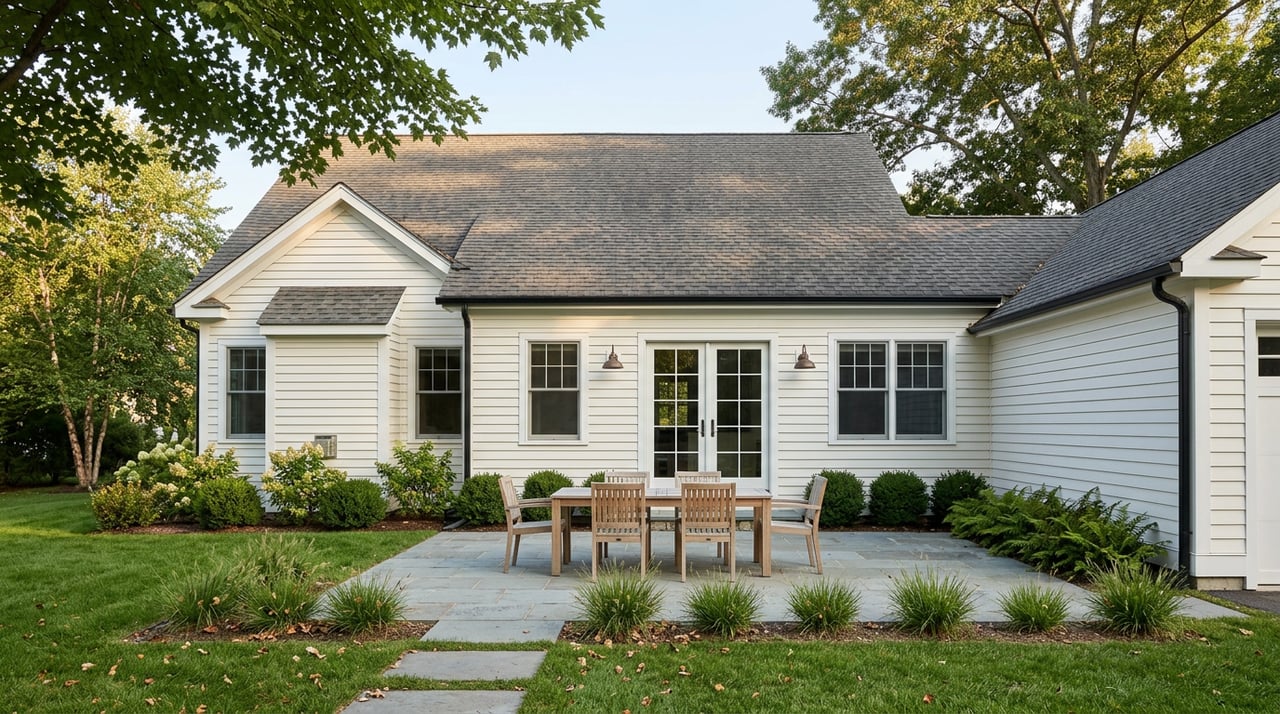
Hyde Park NY Housing Market: Key Insights for 2026 Buyers and Sellers
March 12, 2026
March 12, 2026
Thinking about a move in Hyde Park this year? You’re not alone. The town’s market is balanced to slightly competitive, with homes often selling close to asking and a pace that rewards smart pricing and solid prep. In this guide, you’ll learn where prices and inventory stand, how long sales take, and the best moves for buyers and sellers at different price points. Let’s dive in.
Hyde Park is a small market where month-to-month numbers can swing, but the overall read is steady. Most homes are selling near list price on average, which points to a balanced setup where pricing precision matters. Months of supply has recently tracked in the mid-single digits, signaling neither a severe shortage nor an oversupply.
Median sale prices typically land in the low-to-mid $400Ks on a rolling 12-month basis. Monthly medians can move lower or higher depending on what closes in a given month, so it’s smarter to look at a rolling trend than a single snapshot. Countywide trends in Dutchess have been firm, which helps explain steady demand in towns like Hyde Park even when local totals are small. For context, county-level metrics updated by the MLS offer a smoother view of prices and inventory across the area than any single month in one town shows. You can review the latest county trends in the Dutchess County Local Market Update from OneKey MLS.
Days on market commonly falls in the mid-weeks range. A recent 12-month read shows a median near two months, while some monthly snapshots post higher averages. Well-priced entry and mid-market homes can go pending much faster, while larger or unique properties often need longer marketing windows.
Here’s a simple way to think about local price bands and how they behave today:
The upshot: entry and mid-market listings can move quickly when priced right, while higher-end homes benefit from refined marketing, patience, and thoughtful negotiation.
Active listings usually measure in the dozens at any given time, which means a single new listing or sale can shift town-level metrics. Recent reports have months of inventory in the mid-single digits and sale-to-list ratios around 100 percent on average. In a market like this, small pricing gaps can change how many buyers see and act on your home in the first two to three weeks.
What this means for you:
Hyde Park follows a familiar Hudson Valley rhythm. Spring brings the largest buyer pool and the strongest listing traffic, late summer remains active, fall often offers more negotiability, and winter is quieter but can yield motivated buyers. Regional housing reports highlight these seasonal patterns across the Hudson Valley, which also show up in Dutchess County’s MLS data.
Local quirks also shape demand. Visitor traffic to historic sites and the Culinary Institute can lift open-house activity in warmer months, and non-local buyers often plan weekend showings around the Poughkeepsie Metro-North station. A seasonal shuttle and county transit options connect Poughkeepsie to Hyde Park, which matters for day-trippers and part-time commuters.
Your first two to three weeks on market are critical. In a balanced-to-competitive town, accurate pricing, clean presentation, and strong media are what separate fast, solid offers from slow, quiet listings. Focus on the comp set in your ZIP and school boundary rather than older townwide averages, and be ready to adjust early if traffic and feedback miss the mark.
Get pre-approved before you tour and set up alerts for your target ZIPs and school boundaries. Well-priced entry and mid-market homes can move fast, so have a plan for same-day or next-day showings. When you spot the right home, review the latest comps and days on market to frame a strong, timely offer.
For higher-end homes, expect longer marketing windows and more room to negotiate. Focus on inspections, appraisal, and timeline terms that work for both sides. The right structure often matters as much as the final price in this tier.
Mortgage rates set the affordability backdrop. The 30-year fixed hovered near 6.0 percent in early March 2026, which directly affects monthly payments and purchasing power. Track rate moves as you shop so you can adjust budget and timing with confidence.
Hyde Park offers a steady, practical market where smart strategy pays off. Sellers win with precise pricing, polished presentation, and early momentum. Buyers succeed by preparing financing, acting quickly on value, and structuring offers that fit the property and the season.
If you want a clear plan tailored to your home or your search, schedule a consultation with The Garay Team. We pair neighborhood-level guidance with premium marketing and broad distribution so you can move with confidence.
References for further reading: regional seasonality and Dutchess County trends, public school district information, property tax context, mortgage rates, and the seasonal shuttle service are available here: Dutchess County Local Market Update, Hudson Valley seasonality, Hyde Park Central School District, ATTOM property data for Hyde Park, 30-year mortgage rate chart, and the Roosevelt Ride shuttle.
Stay up to date on the latest real estate trends.

To us, every relationship means so much more than a transaction. That's why our team strives to build strong, lasting relationships with each and every client that go beyond business. We understand what is at stake when finding your dream home, which is why we work closely with you every step of the way--making the otherwise overwhelming process completely stress-free.