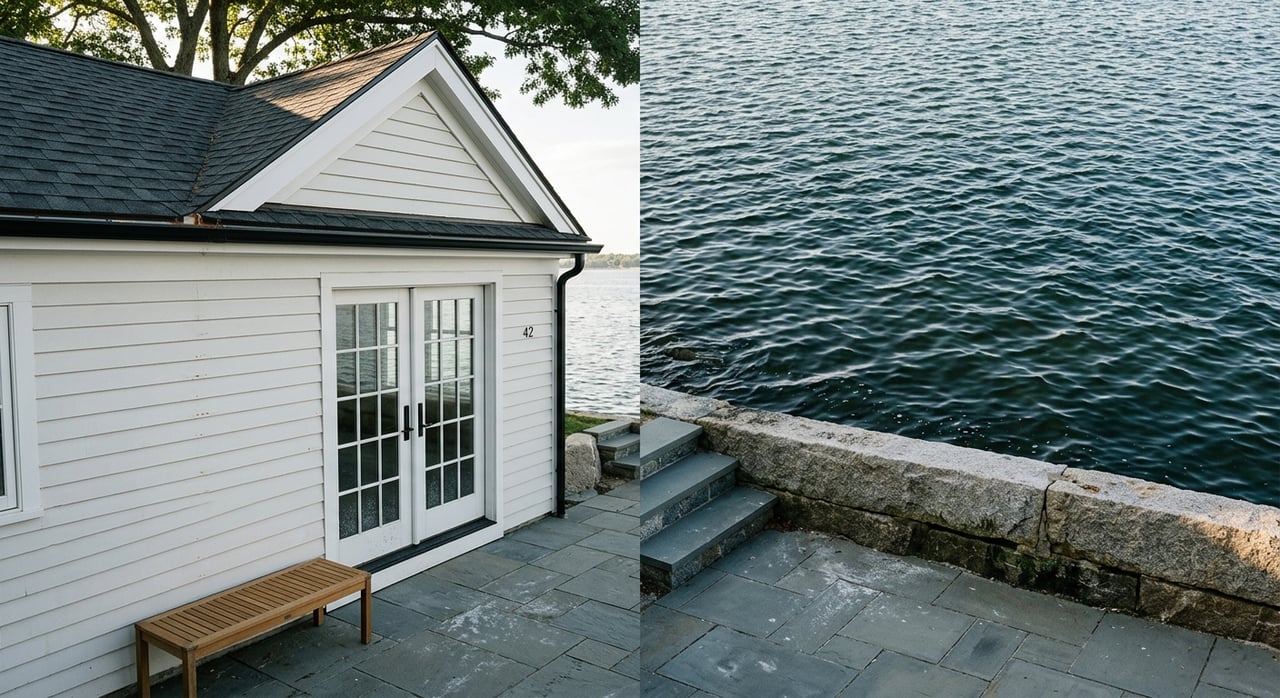
Buying A Waterfront Home In Rye: What To Consider
April 9, 2026
April 9, 2026
Thinking about waking up to water views in Rye? It is easy to focus on the beauty first, but buying a waterfront home here usually comes down to details that are less obvious at a showing. If you are considering a home along Long Island Sound or near Milton Harbor, you need to understand access, flood exposure, insurance, and ongoing maintenance before you commit. This guide will walk you through the key factors so you can buy with more clarity and confidence. Let’s dive in.
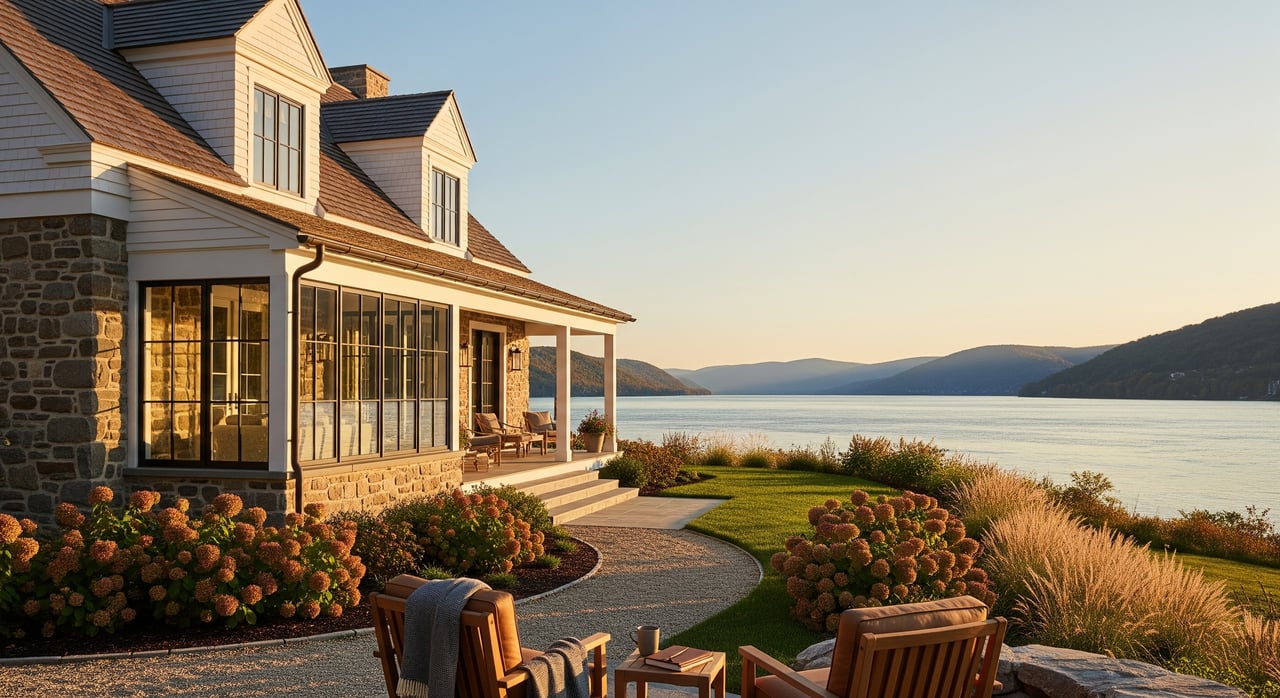
In Rye, not every waterfront listing offers the same experience. A home may sit directly on the shoreline, near a harbor or marina, or simply have water views from a set-back location. That distinction matters because each type of property can come with different levels of access, exposure, and upkeep.
Rye’s shoreline setting shapes much of that decision. According to the City of Rye Marine Division, the city has about 14 miles of coastline and operates the George W. DePauw Municipal Boat Basin, which includes 350 slips, 144 kayak slips and racks, a public launch, winter storage, and pump-out service. For many buyers, that means the lifestyle value is not just about the house itself, but also how the property connects to the water.
A direct waterfront home may offer immediate shoreline access, but it can also bring more exposure to weather, moisture, and flood risk. A harbor-adjacent or marina-near property may still support a boating lifestyle with a different maintenance profile. A water-view home set farther back may deliver the visual appeal of the Sound with fewer waterfront-specific obligations.
This is why it helps to define your priorities early. If your main goal is daily water access, your search criteria may look very different from someone who mainly wants scenic views and a coastal feel.
One of the biggest mistakes buyers make is assuming that being close to the water means the same thing from one block to the next. In Rye, beach access, marina use, and shoreline convenience can vary significantly depending on the exact property and location.
Westchester County notes that public beaches serving Rye may be county-run or municipally operated, and fees can vary by beach. The county also states that water quality is monitored and beaches can close when bacteria levels exceed standards, with rainfall and tides affecting results. In practical terms, that means “near the beach” does not always mean the same level of access or usability.
Before moving forward, confirm exactly what rights or benefits come with the home. You will want to know whether the property includes direct water frontage, deeded access, marina proximity, or simply a view.
Ask specific questions such as:
The more clearly you define access upfront, the fewer surprises you will face later.
A listing may highlight waterfront charm, but your first risk review should begin with FEMA. The FEMA Flood Map Service Center is the official public source for flood hazard information and can help you determine whether a property is in a high-risk flood area.
FEMA states that any location with a 1% annual chance or higher of flooding is considered high risk. Over a 30-year mortgage, those areas have at least a one-in-four chance of flooding. In coastal locations, maps may also show VE zones and Coastal A Zones, where wave action can affect how homes are built, reviewed, and insured.
Flood zone status can affect more than peace of mind. It may influence your financing, insurance requirements, long-term costs, and even renovation plans.
That is why you should verify the parcel’s flood designation early, rather than relying on a seller’s description or a general impression of the location. A beautiful home near the shoreline may carry a very different risk profile than another property just a short distance away.
Flood insurance is a major part of the waterfront buying conversation, and many buyers underestimate how separate it is from standard homeowners coverage. Both FEMA and the NAIC state that most homeowners policies do not cover flood damage.
According to FEMA’s flood insurance guidance, flood insurance is a separate policy available through the National Flood Insurance Program or private carriers. FEMA also states that homes in high-risk flood areas with government-backed mortgages are required to carry flood insurance. If you are financing the purchase, your lender may require proof of coverage before closing.
Timing matters here. FEMA says NFIP policies typically have a 30-day waiting period, so it is smart to request quotes well before closing.
FEMA also notes that its current pricing approach, Risk Rating 2.0, considers factors such as flood frequency, elevation, distance to water, and property characteristics. That means two homes in the same general area may still have different flood insurance costs.
If you are serious about a Rye waterfront property, ask for elevation records and flood-related documentation as early as possible. These records can give you a clearer picture of insurability, compliance, and structural positioning.
FEMA explains that an Elevation Certificate documents whether a structure is properly elevated and can be used to obtain flood insurance. In V Zones, FEMA says buildings must be anchored to resist wind and water loads, elevated above Base Flood Elevation, and protected from waves, hurricane-force winds, and erosion.
Ask whether the seller can provide:
These documents can help you and your lender assess risk more accurately before you get too far into the transaction.
A traditional home inspection is important, but waterfront homes often require a more specialized lens. Coastal conditions can create wear patterns that inland buyers may not expect.
FEMA’s coastal construction guidance notes that homes near the ocean face faster corrosion of metal components and higher maintenance demands due to salt air and moisture. That is why your inspection should focus not only on standard systems, but also on the home’s relationship to the shoreline environment.
Ask your inspector to closely evaluate:
If the home includes shoreline features or complex site conditions, it may make sense to bring in a structural engineer or marine contractor as well.
If a property includes a dock, bulkhead, pier, float, seawall, boat lift, or dredged access, treat those improvements as a separate due diligence category. These features can add value and convenience, but they may also come with maintenance needs and regulatory considerations.
The U.S. Army Corps of Engineers says structures such as piers, wharves, bulkheads, marinas, ramps, and floats, as well as dredging and fill activities in waters of the United States, can require permits. The research also notes that shoreline stabilization work should address an actual erosion problem, not simply cosmetic goals.
If shoreline improvements exist, request documentation for:
You want to understand not only what is there today, but also whether future repair or replacement may be needed.
The purchase price is only part of the cost of ownership. Waterfront homes can require more ongoing attention than inland homes, especially when they are exposed to salt air, moisture, and changing shoreline conditions.
Recurring costs may include corrosion control, drainage upkeep, periodic inspection of shoreline structures, and specialized contractor reviews if site conditions change. Even if the home is well maintained today, the long-term ownership plan should account for a higher level of diligence.
This is often the most important personal question in a waterfront search. Are you comfortable with more insurance review, more maintenance planning, and more property-specific due diligence in exchange for the water access or views you want?
For some buyers, the answer is absolutely yes. For others, a water-view home set farther back may offer a better balance of lifestyle and carrying costs.
The best waterfront purchases usually come from asking the right questions early. Clear answers can help you compare homes more effectively and avoid preventable surprises.
A waterfront home in Rye can offer a unique lifestyle tied to Long Island Sound, local beaches, and boating access, but the smartest purchases happen when you look beyond the view. Access details, flood-zone status, insurance timing, inspection scope, and shoreline maintenance all deserve careful review before you close.
If you are weighing waterfront options in Rye and want practical guidance on how to compare properties, permits, and long-term ownership considerations, The Garay Team can help you approach the process with clarity and confidence.
Stay up to date on the latest real estate trends.


To us, every relationship means so much more than a transaction. That's why our team strives to build strong, lasting relationships with each and every client that go beyond business. We understand what is at stake when finding your dream home, which is why we work closely with you every step of the way--making the otherwise overwhelming process completely stress-free.